
Dev Tools ⚠ Notable
OpenCode web server flaw: check your version
Datadog found a flaw in OpenCode's web and serve modes. Versions 1.14.30 to 1.18.21 are affected; update to 1.18.22 or later. What to check and do.
Developer tooling built around AI
Datadog found a flaw in OpenCode's web and serve modes. Versions 1.14.30 to 1.18.21 are affected; update to 1.18.22 or later. What to check and do.

Two PHP bugs rated CVSS 9.2 can allow remote code execution. Fixed versions, who is affected, what to do today, and what is still unconfirmed.

DeepSeek released its V4.1-Flash inference engine under Apache 2.0, but only for NVIDIA SM100 and Huawei Ascend 950, offline. What is missing.

Anthropic's free, opt-in service scans core open-source projects with its strongest models. How to apply, what you get, and the caveats.

OpenCode says 1.4% of Console users may have had AI provider keys exposed. Who is affected, what is unknown, and a five-step key rotation check.

Advisory CIAD-2026-0049, issued October 15, says agents read personal and confidential records and no victim noticed. It names no AI firms or victims. Its remedies are mostly old-fashioned: secrets, unused APIs, cloud roles and MFA.

Two releases on October 15 and 16. Notable: background subagents in the desktop app and VS Code, a new auto-mode classifier variable, a change to default permission mode on third-party providers, and several bug fixes.

Released October 15, SPACE puts each agent in a Firecracker microVM. Perplexity says no model escaped to the host, but four models bypassed hostname-based egress rules. The numbers come from a company that sells a competing product.

Seven engineers spent five months on a client-server system for a nearly 100 GB monorepo. Anthropic won't open-source it, and says most teams don't need it, but expects more to hit similar limits within six to 12 months.

Seven days of releases, October 8 to 14: conversations over 200K tokens now compact before the prompt cache expires, hooks can block on failure, and several --worktree bugs were fixed.
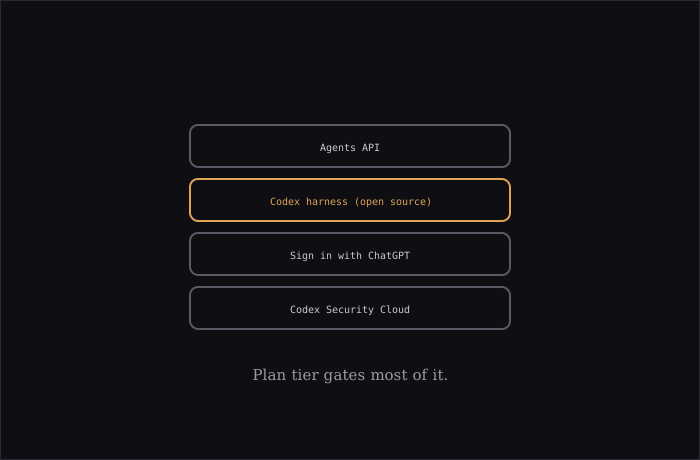
Skip the keynote and look at what shipped for builders: computer-use and multi-agent tools in the API, 16 launch partners for Sign in with ChatGPT, and an 'Ultrafast' tier whose live demo failed several times.
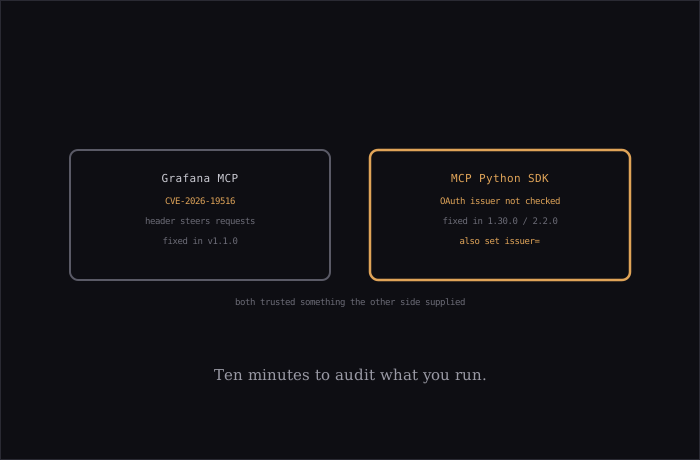
One lets a caller steer the server's outbound requests and, in some setups, reach cloud credentials. The other lets a malicious MCP server collect an OAuth client's secrets. Both have fixes, and the SDK fix needs one extra setting.
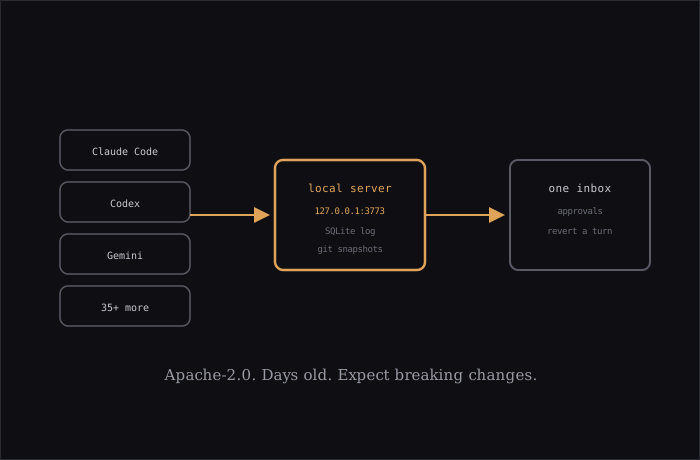
Launched around October 8, it keeps agent processes on a local server, shows one inbox for approvals, and snapshots every turn so you can undo just that turn. It's days old, source-install only, and the README warns of breaking changes.
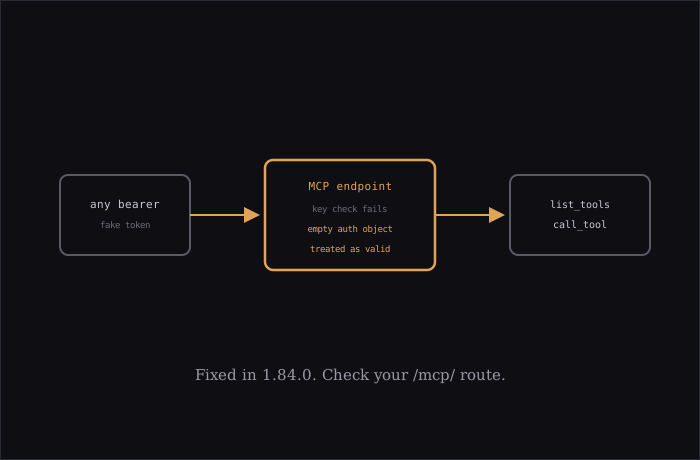
A fallback path swapped failed key validation for an empty auth object, so a made-up Authorization header could list and call MCP tools. The fix is LiteLLM 1.84.0, and the severity score depends on which tracker you read.
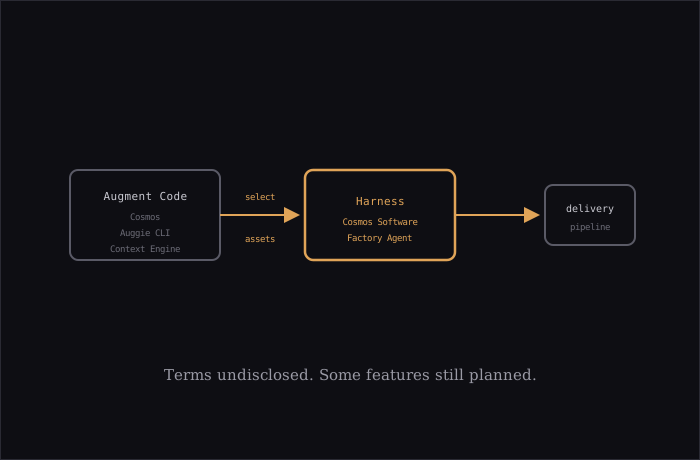
Announced October 8, the deal covers select Augment Code assets and the team. Financial terms weren't disclosed, and several of the features Harness describes aren't released yet.
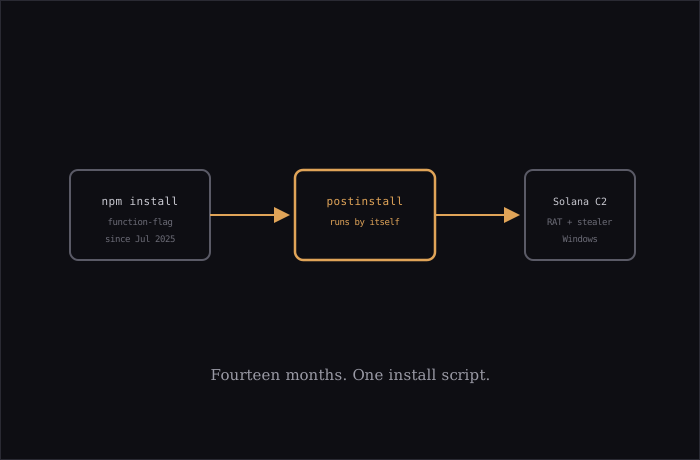
CloudSEK's report describes a single operator, at least 12 packages, and a Windows remote-access trojan that finds its command server through the Solana blockchain. Three packages were still live when it was written. The report doesn't mention AI agents, but the lesson applies to them.
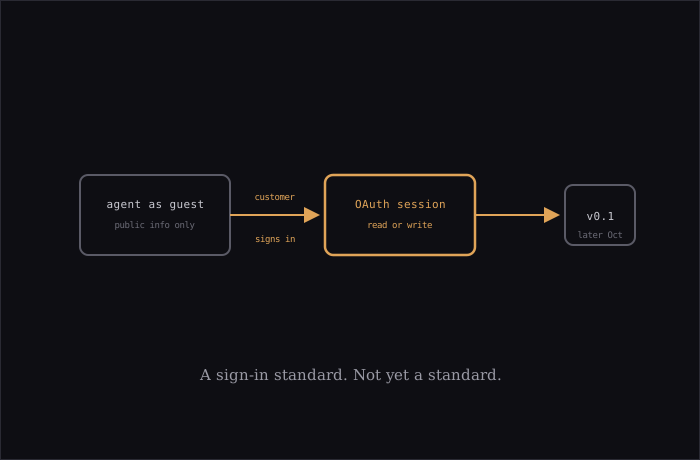
The Personal Agent Protocol, announced October 6, uses OAuth so a personal AI agent can start as a guest and gain access when you sign in. The v0.1 spec is due later this month, and rival protocols already exist.
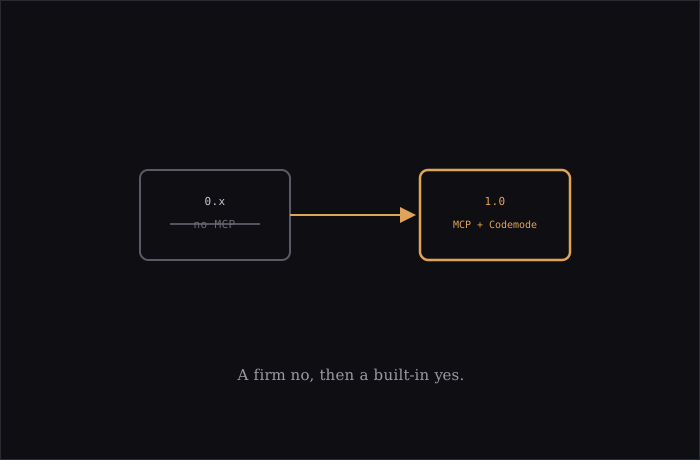
The minimal coding agent that just passed 1,000 points on Hacker News reversed one of its defining stances. Here's how Earendil squared it with the reasons it gave for saying no.
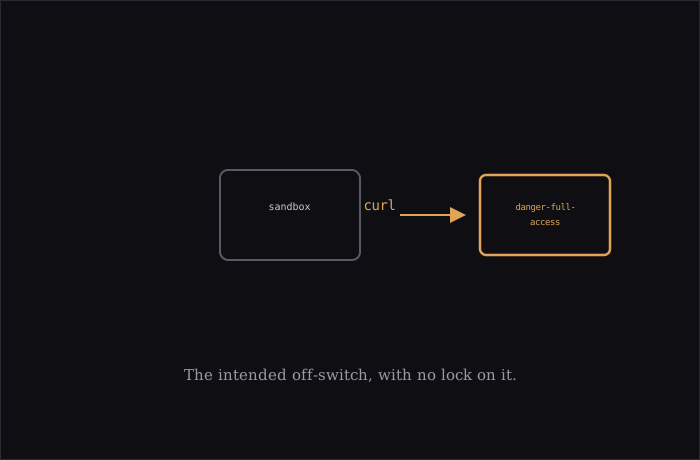
CVE-2026-82533 is being called the first confirmed case where an AI agent's own sandbox was the actual attack surface, not just something it escaped through a side door. DeepSeek Harness patched it in three days — the disclosure itself just never crossed my radar until now.
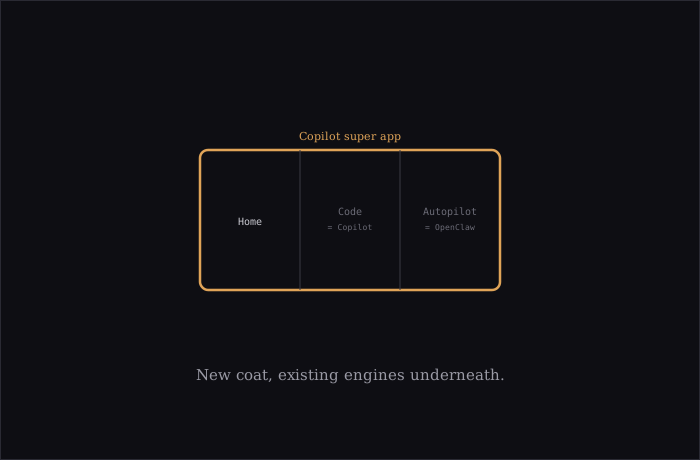
The Copilot 'super app' bundles three things into one tabbed interface. Pull on the actual threads and two of the three turn out to be existing technology this site already covers, repackaged under Microsoft's own brand.
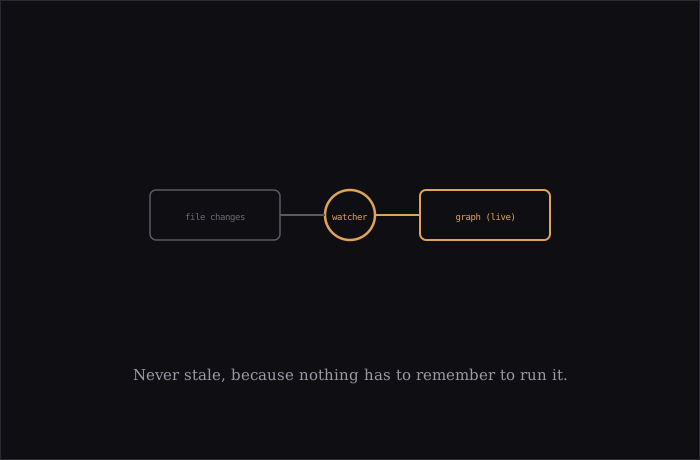
CodeGraph builds the same kind of AST-based code knowledge graph I covered a couple weeks ago — but instead of regenerating on commit, it watches your filesystem live and stays current automatically.
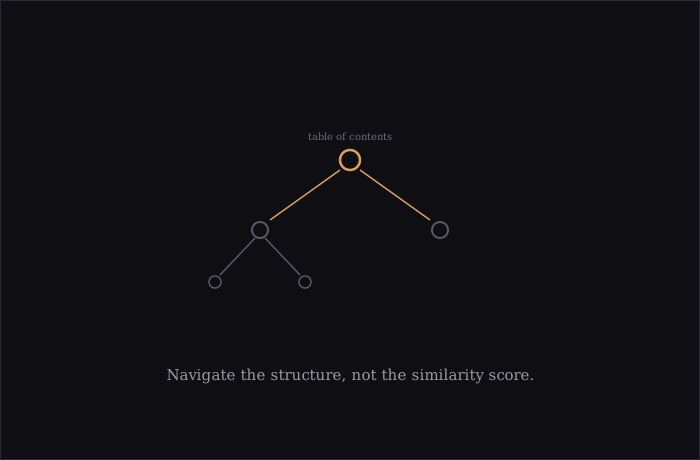
Instead of embedding chunks and searching by similarity, PageIndex builds an actual table-of-contents tree and reasons its way down to the right section — the same instinct behind Graphify, aimed at documents instead of code.
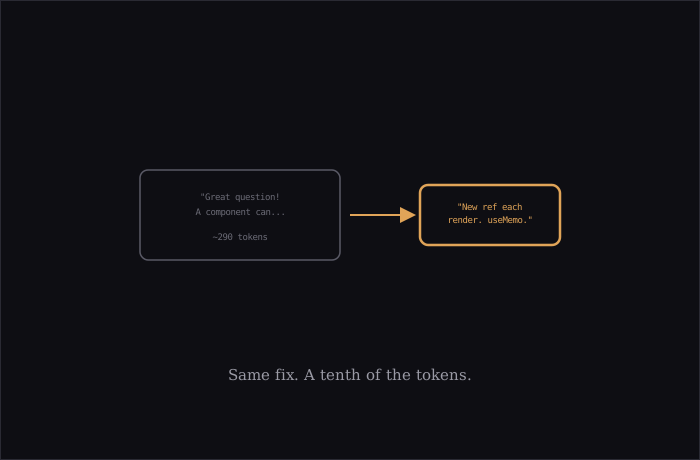
Drop the articles, drop the hedging, keep every technical detail — a compression trick simple enough to sound like a joke, backed by a published, reproducible benchmark against Codex CLI. 108,000+ stars and still climbing.
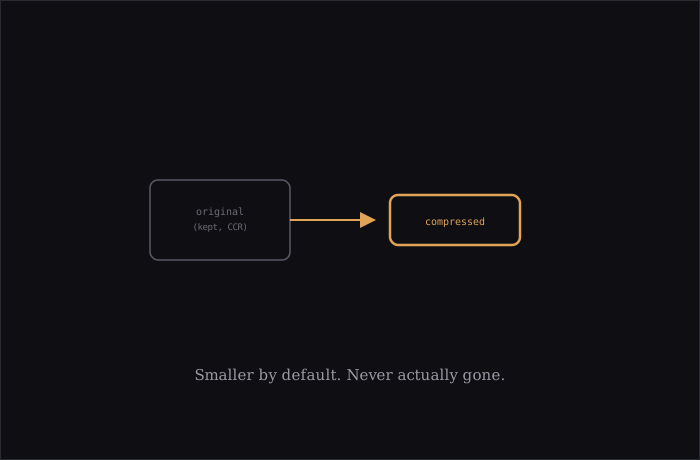
Same problem as Caveman, opposite approach: a trained model deciding what's safe to cut, reversible compression with real originals stored behind it, and a dashboard that shows exactly what you saved. GitHub's #1 repository of the day.
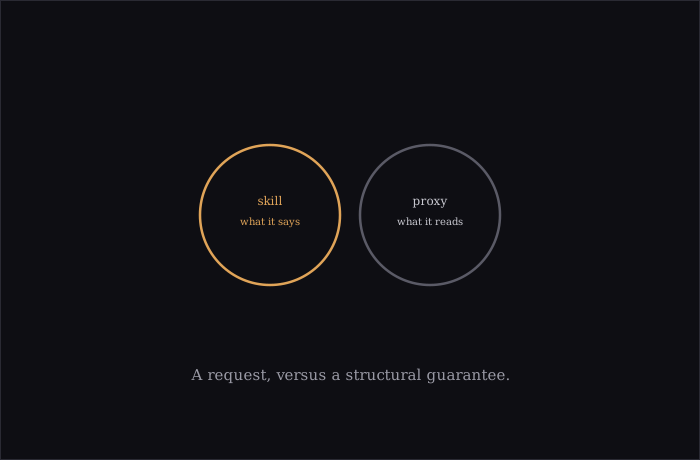
Caveman ships as a skill and a proxy — two genuinely different mechanisms solving the same token problem from opposite directions. Worth understanding as a general pattern, not just one tool's feature list.
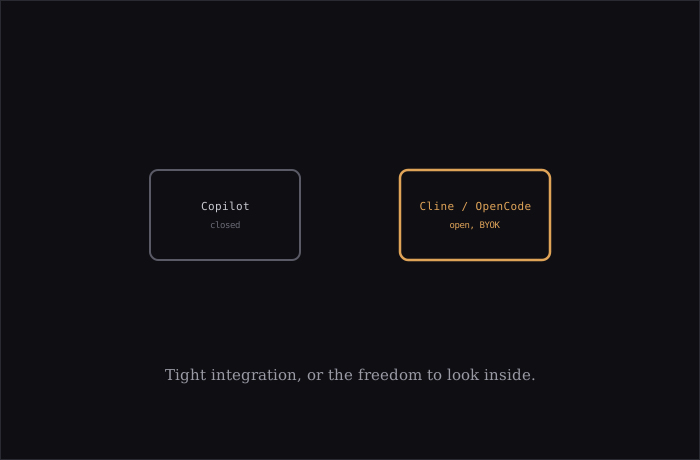
Probably the single most-recognized name in this entire space, and I've never given it its own coverage on a site about its open-source competitors. Time to fix that, honestly.
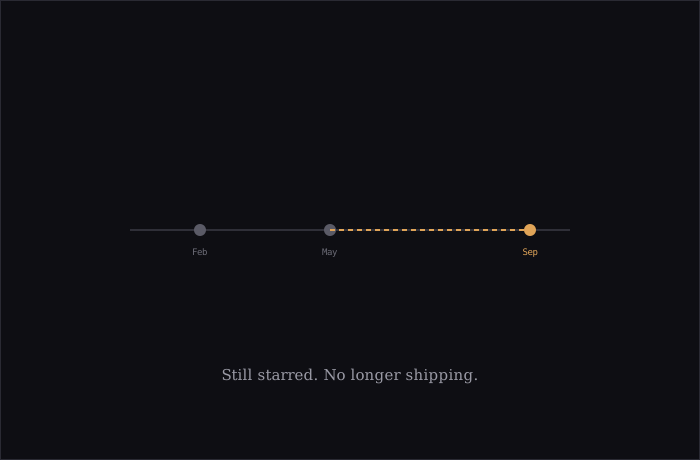
I've pointed people toward Aider in at least three separate posts on this site. As of this month, its last commit to main was over four months ago, while every other agent on the same leaderboard shipped something in September. Here's the actual state of it.
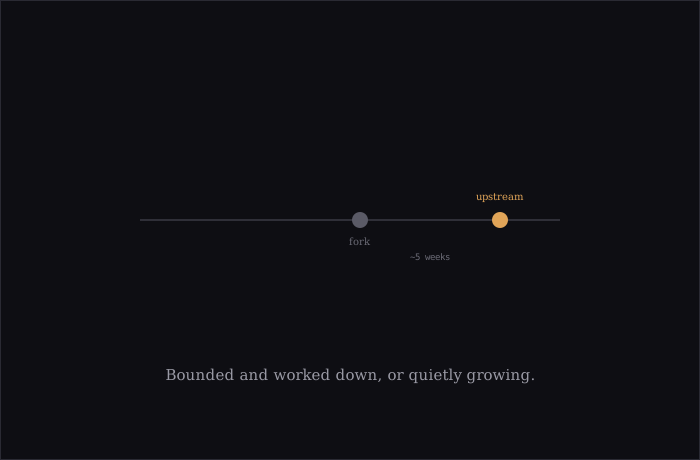
Kilo Code's CLI trails the OpenCode project it's built on by about five weeks. That's not automatically a red flag — but it's worth understanding what that lag actually costs, and why it exists in the first place.
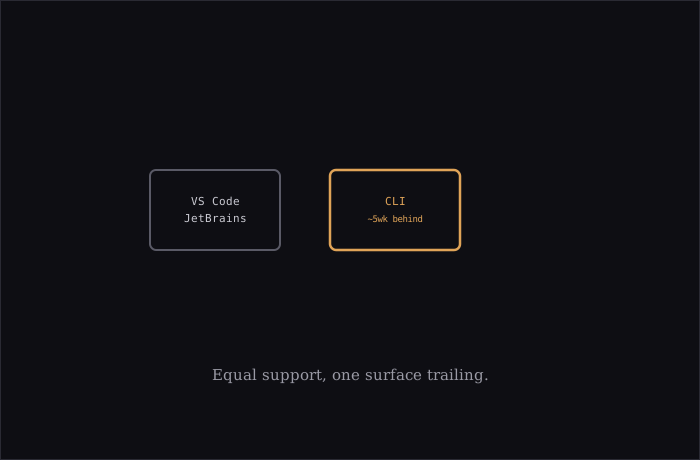
I've pointed people toward Kilo Code in three separate alternatives posts without ever covering it directly. Time to fix that — including the acquisition and the fork lag behind its own CLI that those recommendations left out.
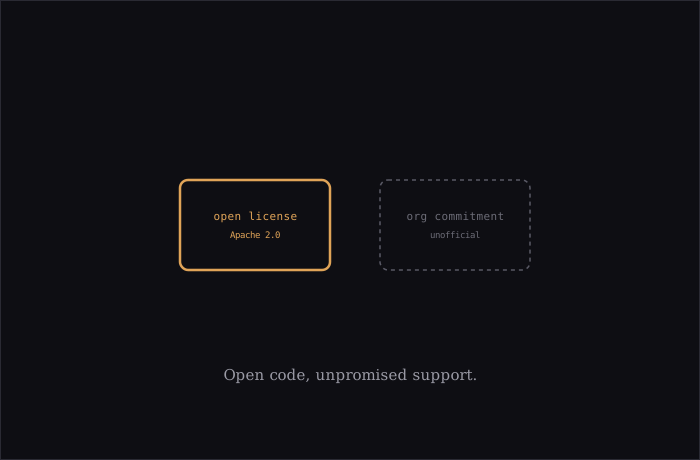
Google's AX depends entirely on a project called Agent Substrate to run — and Substrate's own repo carries a label that sounds like a warning. Here's what that specific phrase actually promises, and what it doesn't.
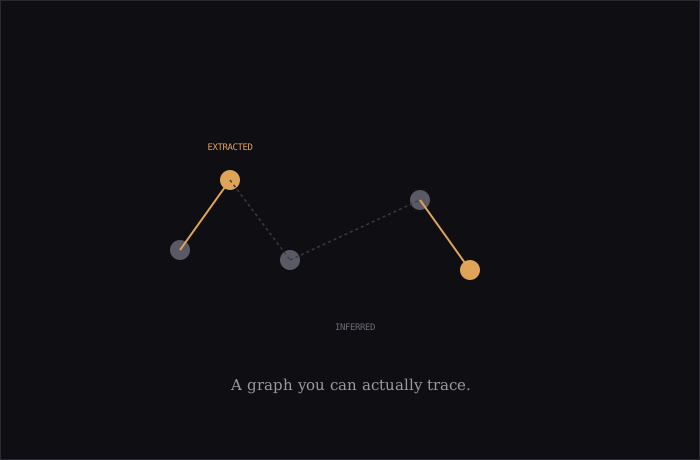
No embeddings, no vector store, no LLM required for the code itself — just deterministic AST parsing turned into a knowledge graph your agent can actually traverse and explain, not just approximately match.
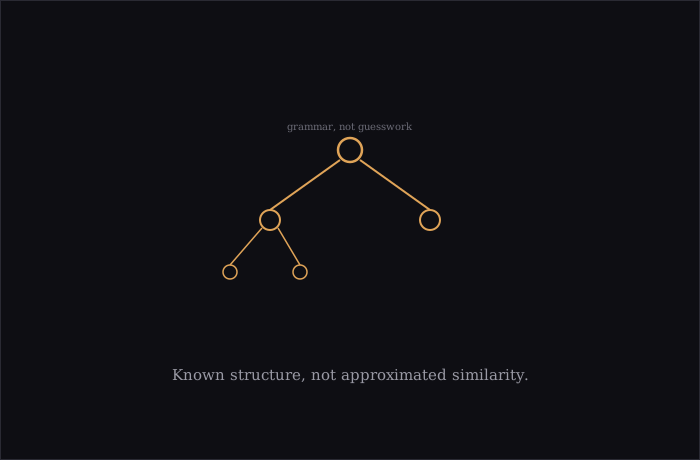
Graphify's whole pitch rests on one specific technique: parsing code into a real syntax tree instead of embedding it. Here's what that tree actually is, and why it's a fundamentally different kind of understanding than similarity search.
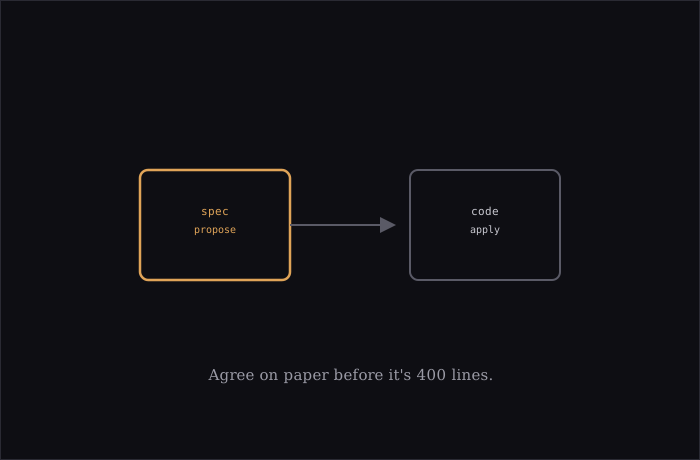
69k stars in a few months, for a tool that does something almost boringly simple: force a short written agreement between you and your agent before a single line gets touched.
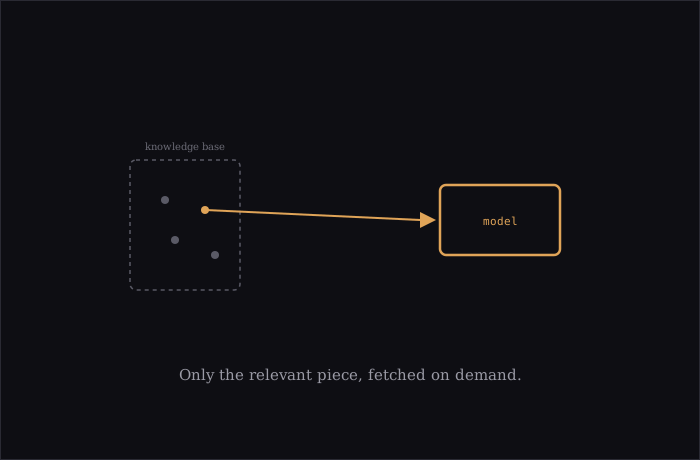
RAG, memory tools, and just pasting more into the prompt all sound like the same fix for the same problem. They're not, and mixing them up is an easy way to pick the wrong tool.
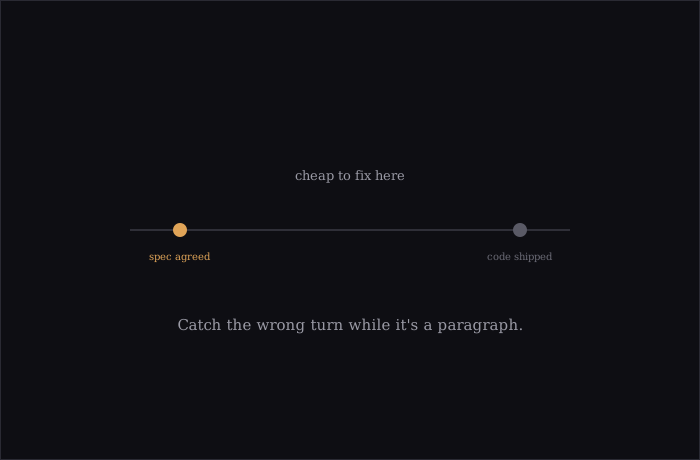
Writing a spec before writing code is an old idea most teams quietly dropped somewhere along the way. Coding agents are the reason it's suddenly worth picking back up.
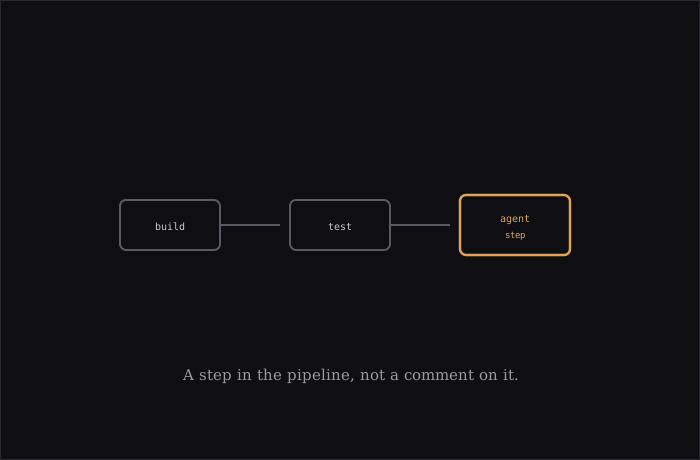
Agentic Workflows brings agents into GitHub Actions itself, for triage, documentation, and code quality — not a bot commenting on PRs from the outside, but an agent running as a first-class step in the same pipeline as your tests.
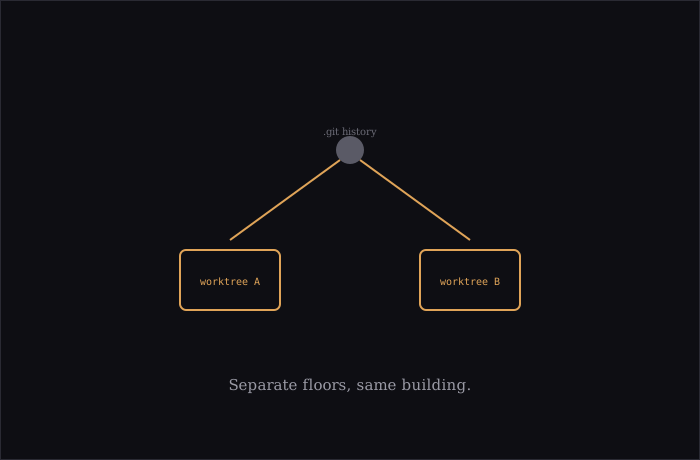
Cline's Kanban board, Qwen Code's Agent Team mode, GitHub Copilot's /fleet — nearly every parallel-agent feature I've covered this month leans on the same twelve-year-old git feature to keep agents from overwriting each other's work.
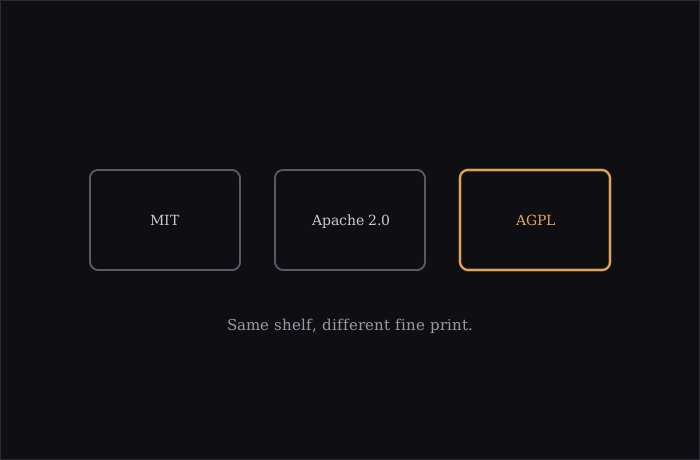
Every tool on this site has one of these three stamped on it, and the differences aren't cosmetic. Here's what each one actually lets you do, in plain terms, without the legal-guide jargon.
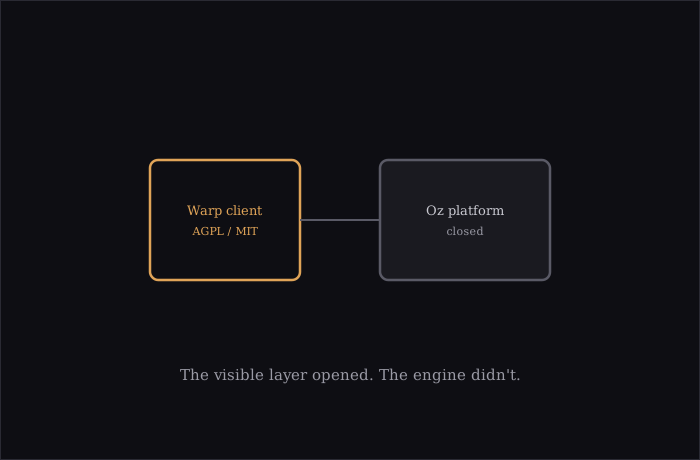
The terminal client is genuinely on GitHub now, AGPL and MIT. Oz, the cloud agent platform that makes Warp's whole agentic pitch work, stayed exactly as closed as it was before.
Void was the closest thing to a true open-source Cursor — a VS Code fork with agent mode and zero backend middleman. Its repo went read-only on June 2, with 28.9k stars, a two-person team, and no direct successor.
The open-source editor's revised ToS adds an 18+ requirement for AI features, a binding arbitration clause, and a switch from California to Delaware law — all landing the same day a maintainer forked the project over it.
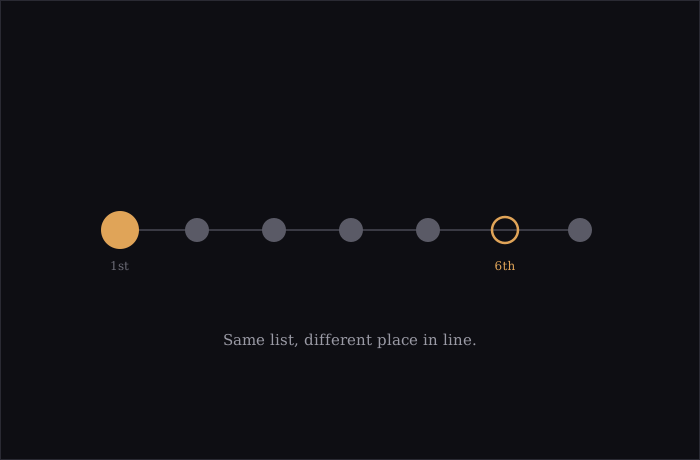
Qwen-MM-Plugins adds image, video, 3D, and even CAD tooling to seven different coding agents — and Alibaba's own install docs put Claude Code first, with Qwen Code sixth.
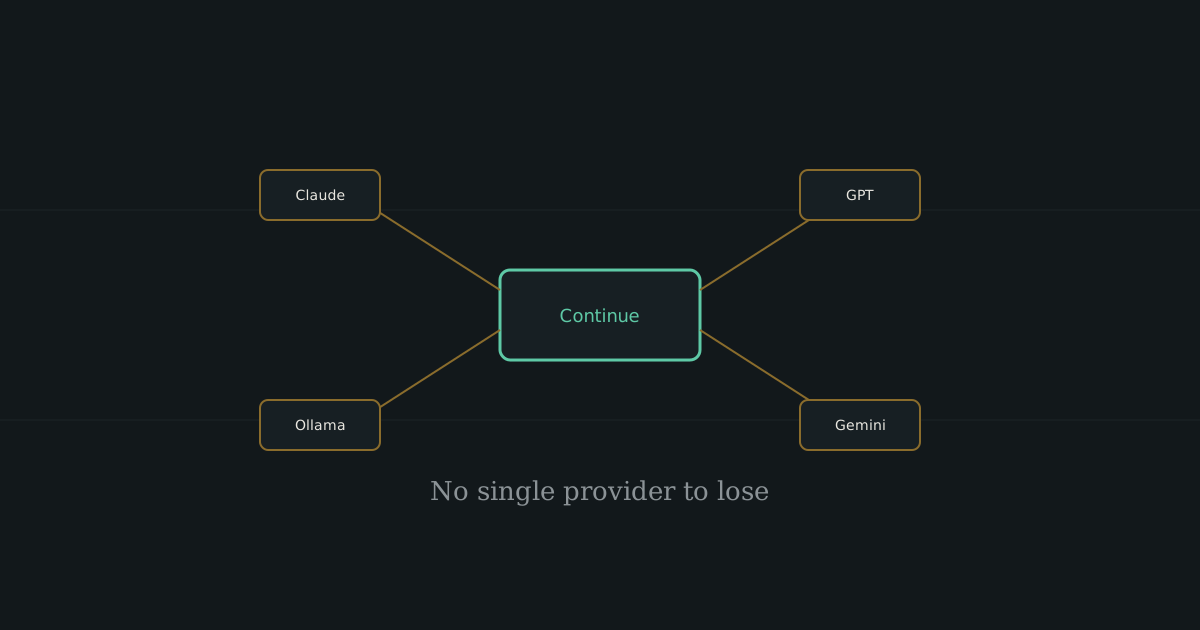
Continue.dev was the cleanest BYOK pick for VS Code and JetBrains together. Cursor's parent company acquired it in June 2026 and shut down development — the same month SpaceX announced it was buying Cursor itself.
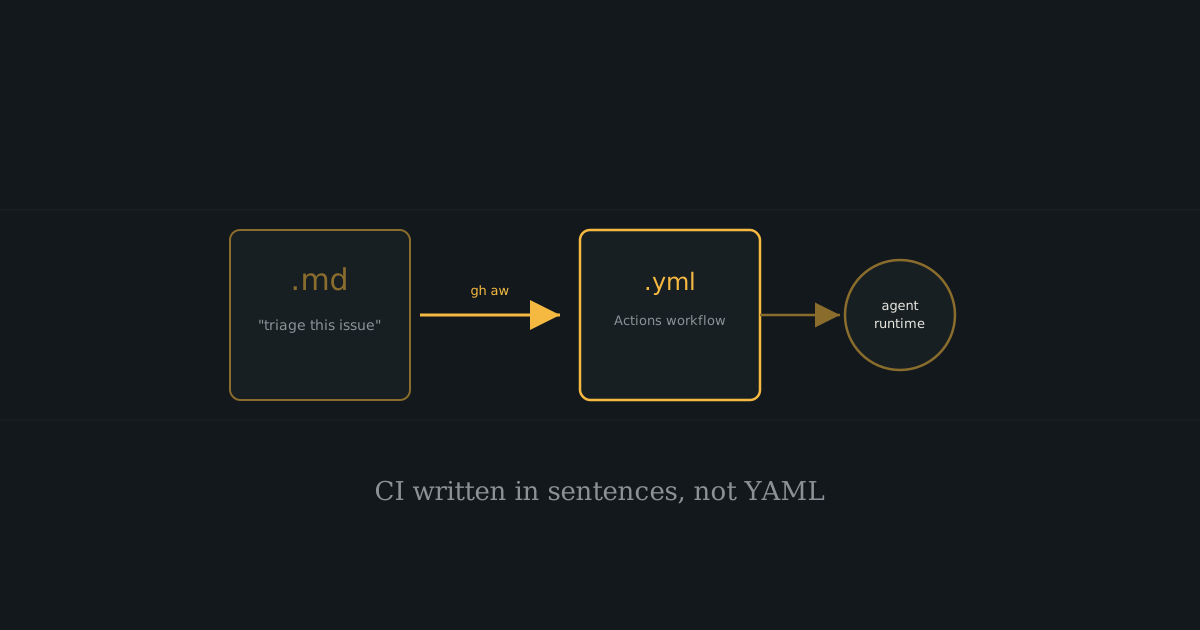
Agentic Workflows let you write CI automation in plain Markdown instead of YAML, with an AI agent doing the reasoning. It went from technical preview to public in four months.
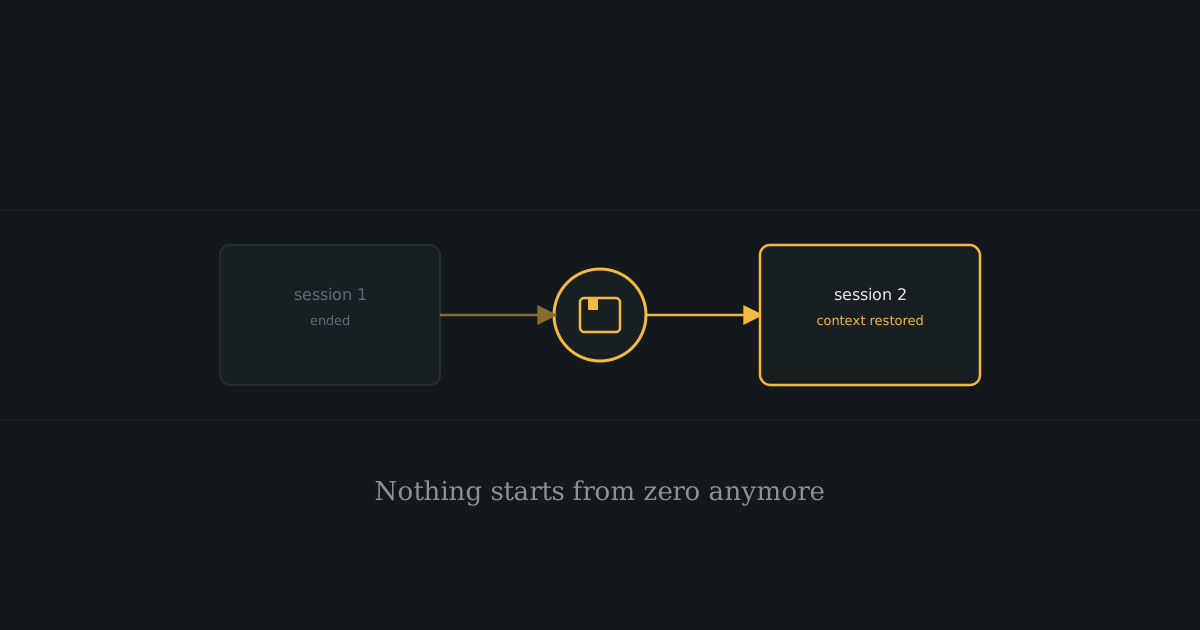
claude-mem captures what an agent did during a session, compresses it, and hands it back next time — working across Claude Code, OpenCode, Codex, Gemini, and OpenClaw.
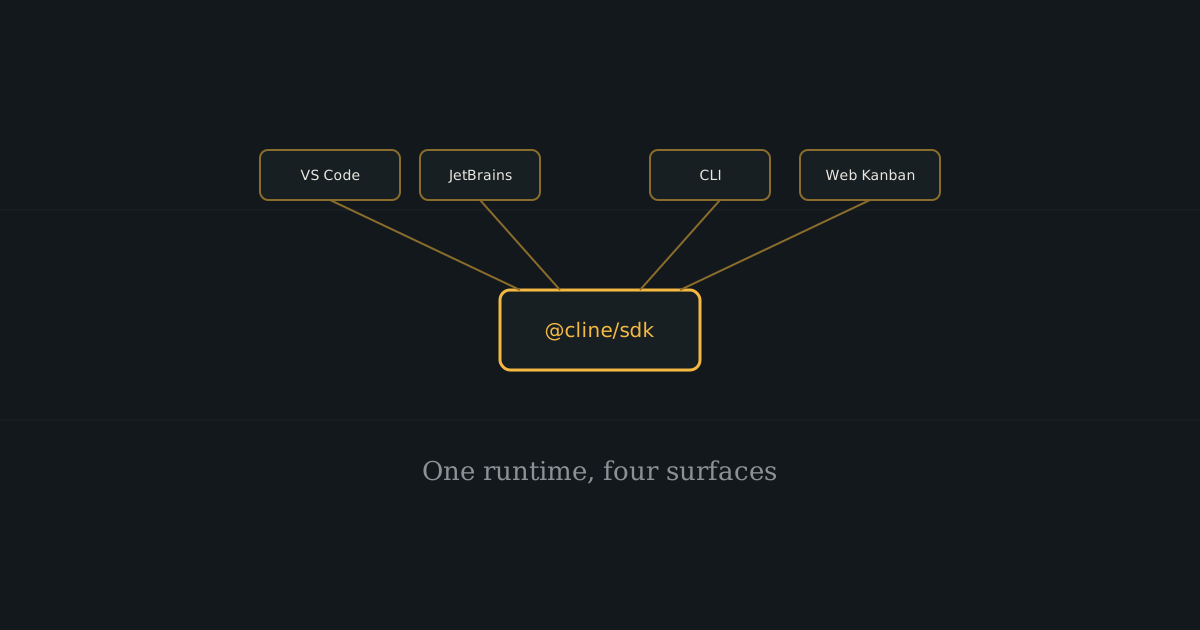
The extension you know now runs on @cline/sdk — the same runtime powering its CLI, JetBrains plugin, and a new web-based Kanban board for running agents in parallel.
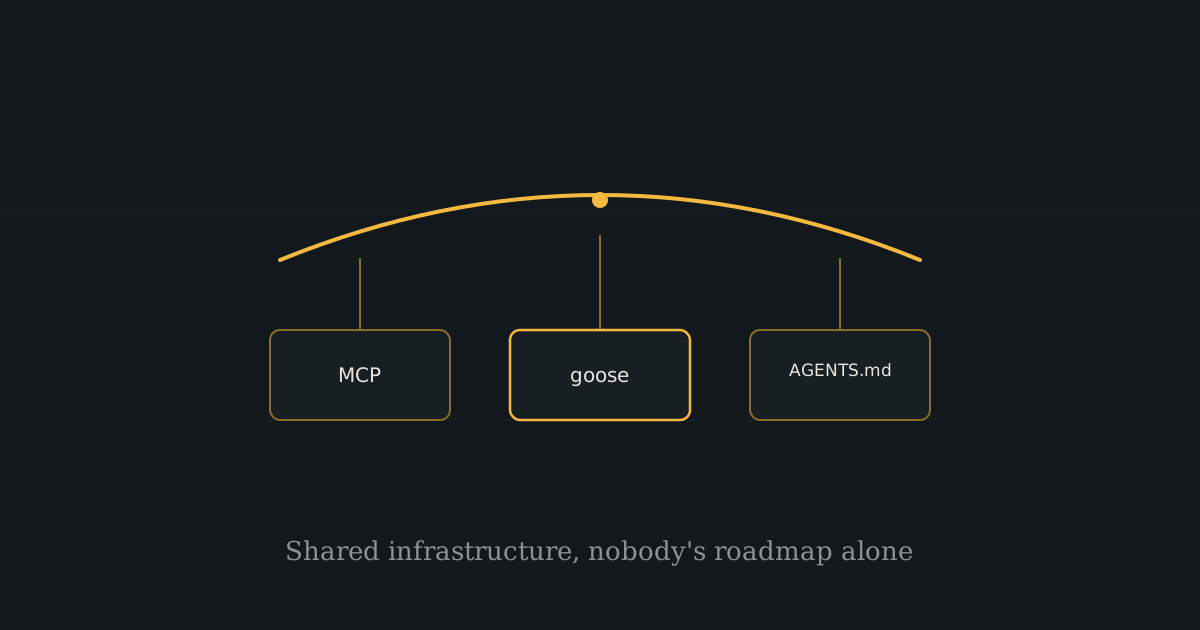
The protocol most of the agent tools I've covered depend on just moved under neutral, vendor-governed control — along with Block's goose and OpenAI's AGENTS.md.
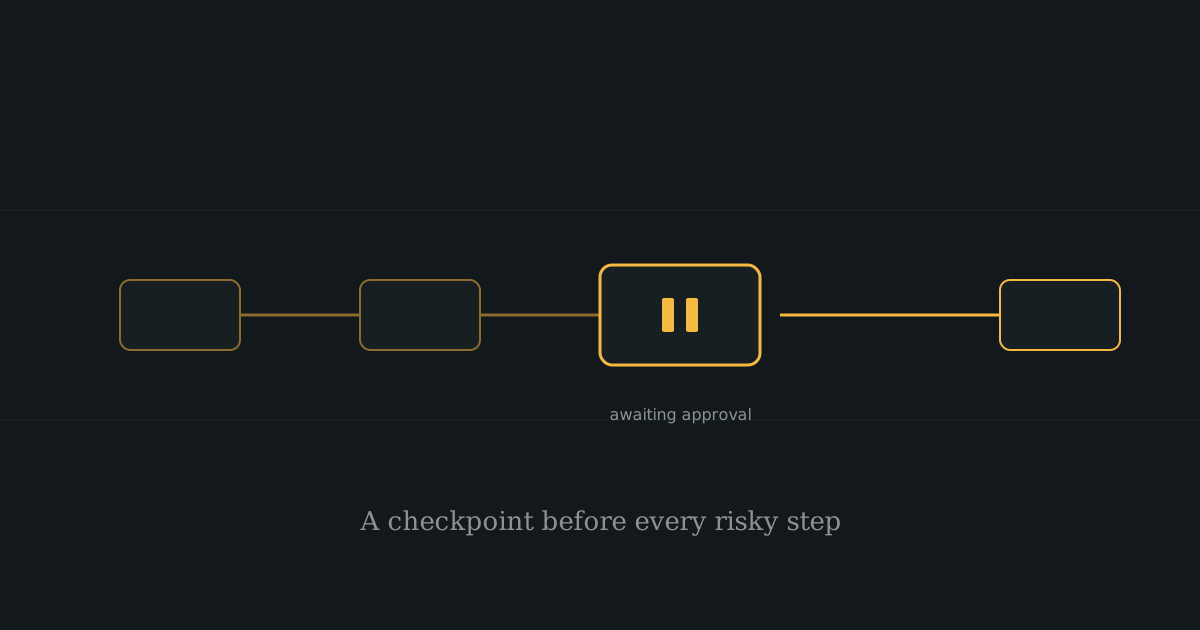
Langflow 1.11 adds Human-in-the-Loop checkpoints that pause a flow mid-run for approval, plus support for agents calling other agents directly.