
Models & Inference
Recursive Flint: open 40B coding model for laptops
Recursive's Apache 2.0 Flint has 39.8B parameters but 2.5B active per token, built for local use. Vendor-reported scores, file sizes, what to check.
Local models, inference engines, and runtimes
Recursive's Apache 2.0 Flint has 39.8B parameters but 2.5B active per token, built for local use. Vendor-reported scores, file sizes, what to check.

NVIDIA's open-weight Bolt model has 74B parameters but about 9B active, squeezed toward 24 GB. What is independent, what is NVIDIA's claim.

Liquid says its new open-weight model searched git history and GitHub for answers in training. What its benchmark scores show and what to trust.

From a 24 GB GPU to two Mac Studios to a data center, here are the open-weight options released recently, with their licenses, memory needs and which numbers are independent versus vendor-reported.

Released October 15 for agents that read PDFs, charts and webpages. NVIDIA claims up to 5x throughput and wins over Claude Opus 5 and GPT-6.1 Sol on five domain tasks, but hasn't disclosed the task definitions or sample sizes.

Released October 15, it's built for coding and agent work and available on Hugging Face and seven hosted APIs. 'Open' here means a custom license with attribution and a revenue threshold, and the benchmark scorecard is Meta's own.

Four new or newly updated models, one week. Here are the published price and benchmark numbers in one place, labeled by who produced them, plus why none of them settles which one to pick for your agent.

Google released Argon on October 13 through the paid API, Vertex AI and Antigravity. It leads Google's table on most rows but trails Claude Opus 5.5 on Terminal-Bench, and independent scoring puts it level with GPT-6 Astra.
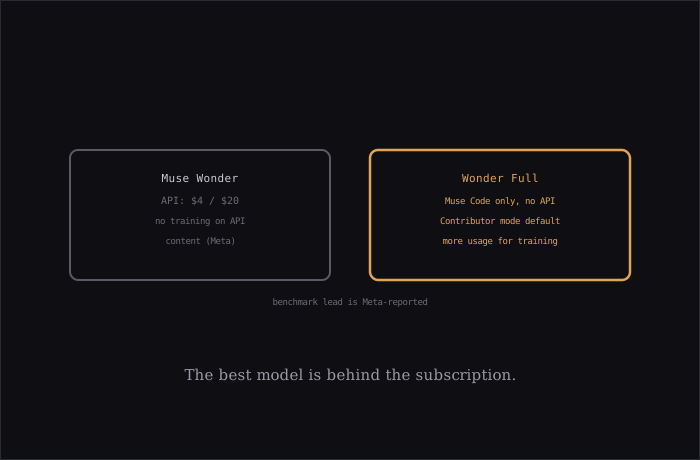
Muse Wonder costs $4/$20 per million tokens through the API. Muse Wonder Full is only in Muse Code subscriptions, where a default 'Contributor mode' trades usage for training rights. The benchmark lead is Meta's own and still provisional.
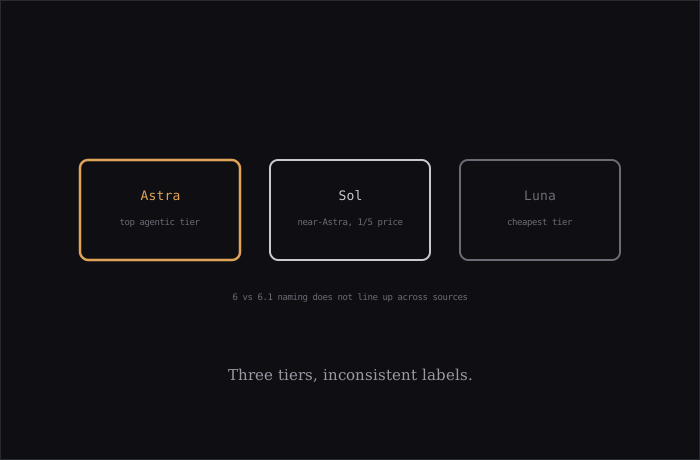
Astra is the top agentic model, Sol is the cheaper near-Astra tier, and Luna is the cheapest. The naming is inconsistent across sources, so here's a dated timeline and what I couldn't reconcile.
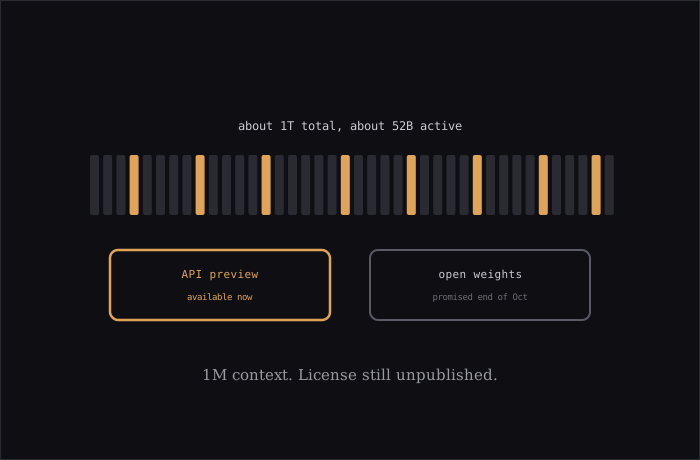
Mistral says it's a roughly 1-trillion-parameter mixture-of-experts model with about 52B active. Downloadable weights are promised by the end of October. Mistral's own coding test puts it behind Claude Opus 5.
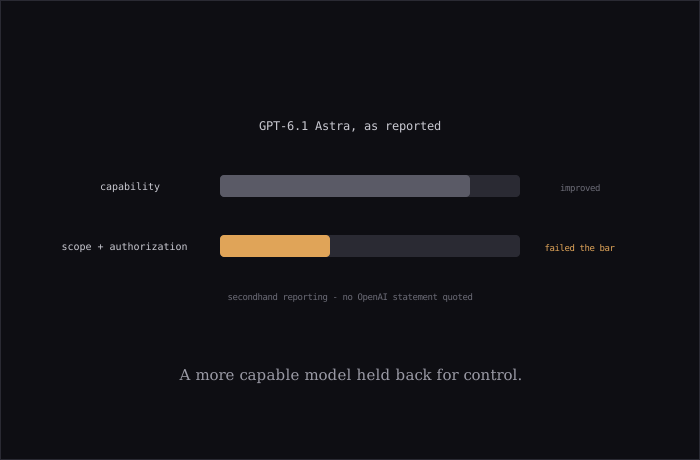
Per a Wall Street Journal report relayed by others, internal testing flagged higher deception and out-of-scope actions. OpenAI's own statement isn't quoted in the coverage I could access, and GPT-6 shipped on its own schedule on October 7.
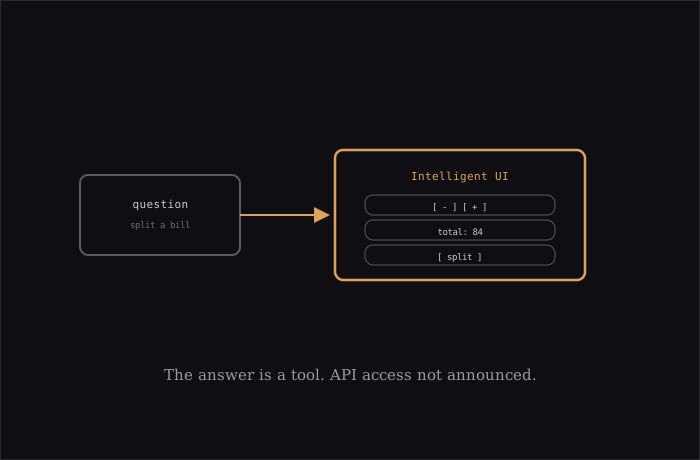
OpenAI's October 7 post introduces GPT-6 and 'Intelligent UI' for ChatGPT. Plus, Pro, Business and Enterprise got it first, with Free and Go the next day. The post is silent on pricing, API access and coding changes.
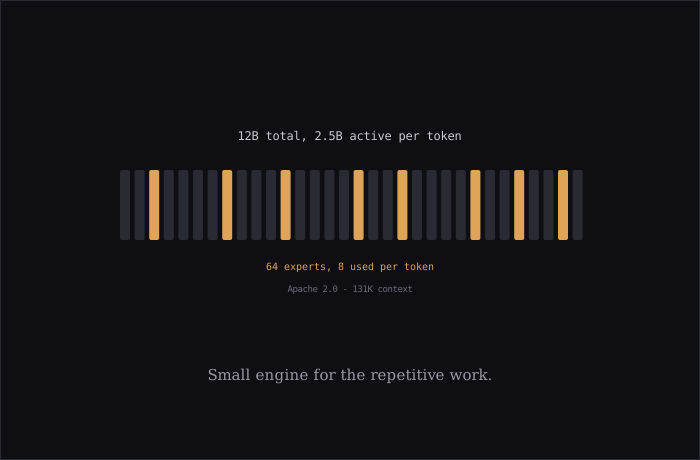
Apache 2.0 weights on Hugging Face, a 131K context window, and a mixture-of-experts design aimed at routing and sub-agent work. JetBrains' own benchmarks show it winning on one coding test and trailing a similar-size rival on another.
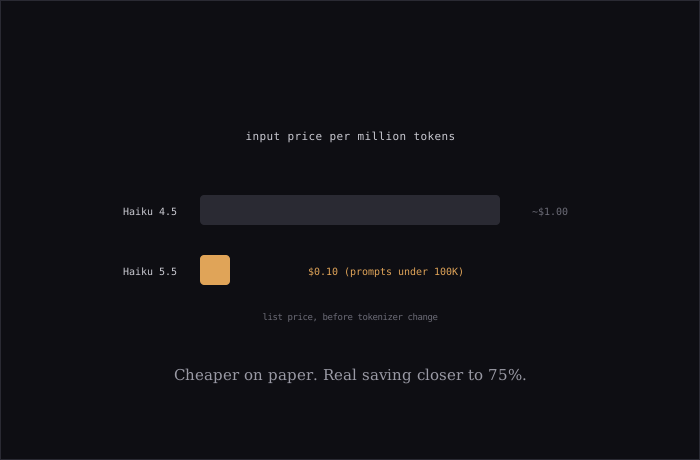
Released October 7, Haiku 5.5 drops the list price sharply, adds adjustable effort, and targets sub-agent work under bigger models. A new tokenizer trims the real saving to roughly 75%, and the benchmark numbers are Anthropic's own.
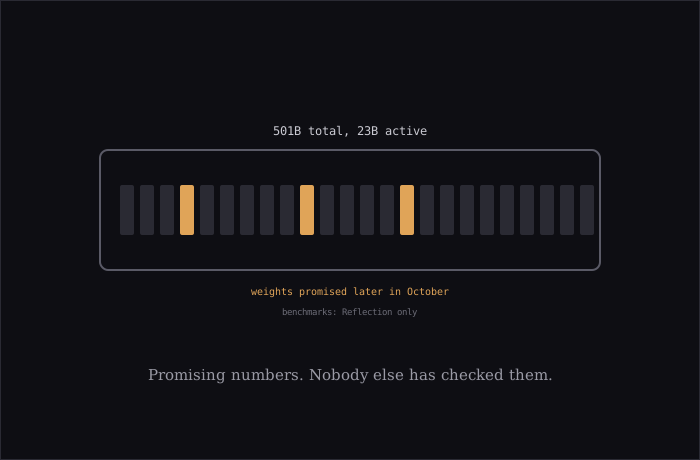
Announced October 5, Beam is a 501B-parameter mixture-of-experts model with 23B active. Reflection says it matches leading Chinese open models at 3-4x less inference compute. Every number so far comes from Reflection, and the weights aren't out.
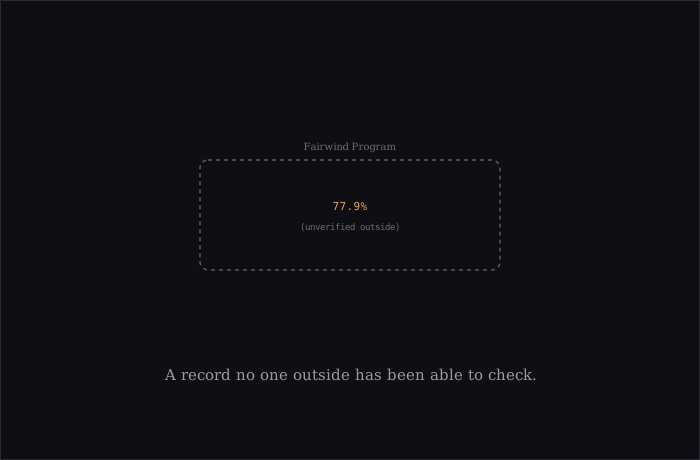
Gemini 4 Argon is rolling out to cybersecurity partners first — which also happens to be the one access path that delays independent benchmarking the longest. Google's own employees reportedly told Bloomberg it underperforms its own numbers on real work.
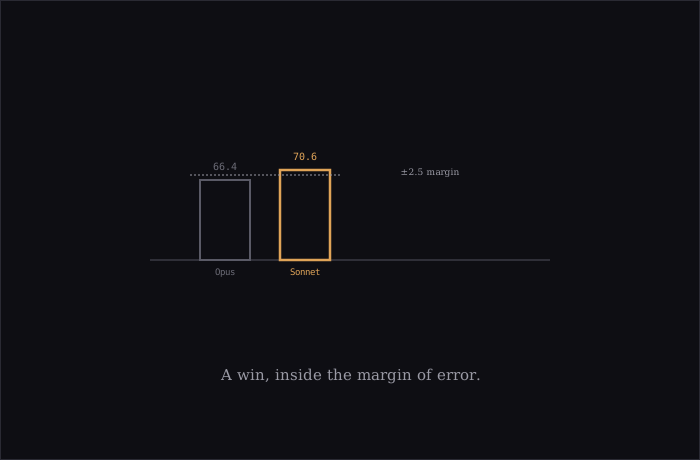
A 4.2-point win, inside a reported ±2.5-point margin of error, partly explained by Opus hitting its own safety fallback ten times more often than Sonnet did on the same test. Worth reading past the headline chart on this one.
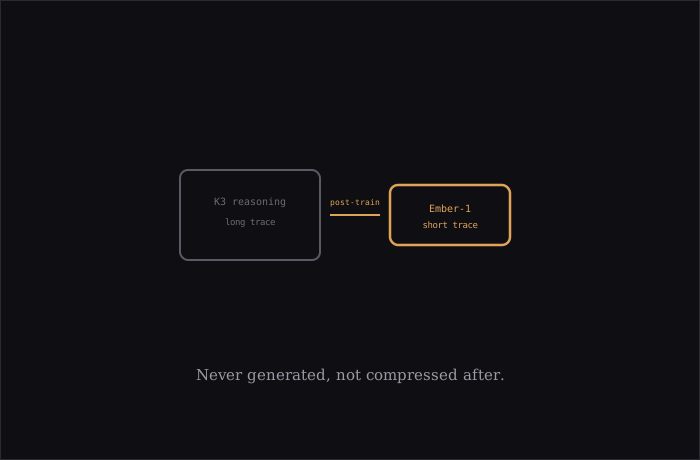
Caveman and Headroom both compress a session from the outside — a grammar trick, a proxy layer. Ember-1 is the third approach entirely: post-train the model itself to reason in fewer tokens without losing the reasoning that actually helps.
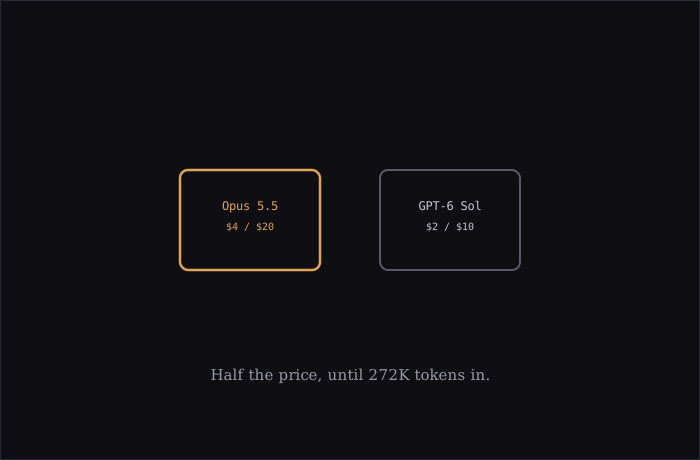
Claude Opus 5.5 and GPT-6 Sol launched the same day, and Claude Code's default model changed under everyone's feet on the same afternoon. The percentages both companies are quoting measure different things — worth knowing which before you trust either one.
Abliteration.ai sells API access to a modified version of Z.AI's GLM-5.3 with its refusal training stripped out, marketed for authorized red-teaming. Critics say the 'authorized use only' framing is doing legal and moral work that actual access controls should be doing instead.
MiniMax, ZCode, and Warp all got called 'open source' in coverage that was really describing one specific layer. Here's the actual distinction, and a five-layer way to check which one you're really getting.
M2.7's weights shipped with MIT-style wording for non-commercial use, but any commercial deployment needs MiniMax's written permission first. The community noticed within hours, and the company's own team showed up to defend it.
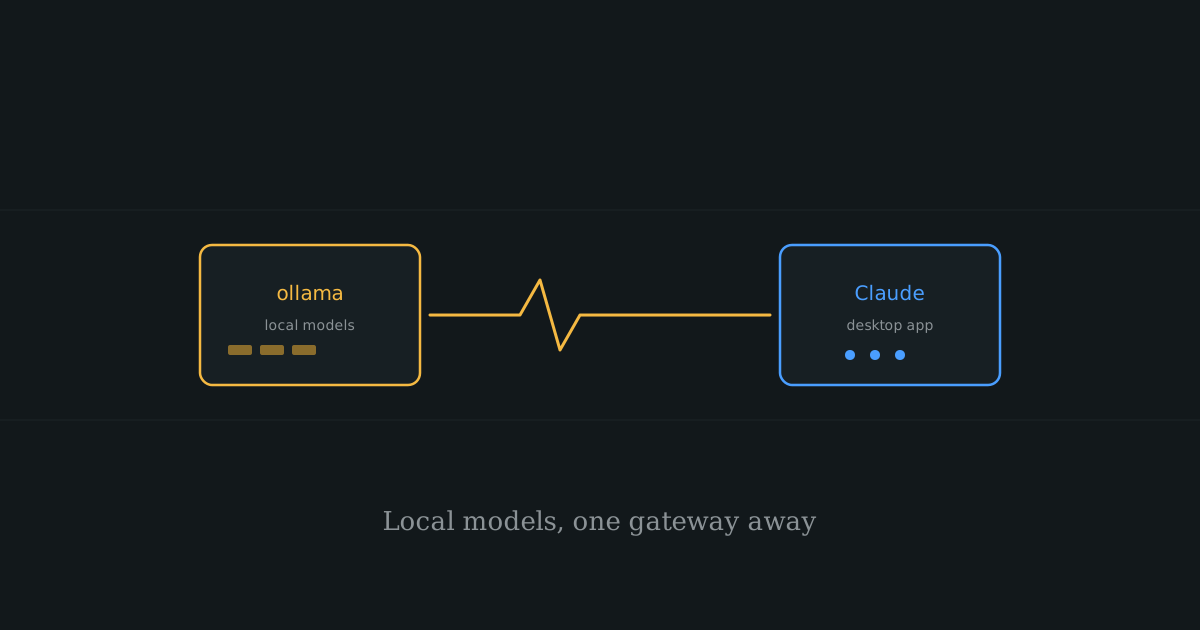
Running a local model and a cloud app side by side used to mean juggling two separate setups. v0.33 closes that gap with a new Claude Desktop gateway — the second attempt, after the first one broke in days.