MiniMax put out weights for M2.7 on Hugging Face — a 229-billion-parameter mixture-of-experts model the lab says scores 56.22% on the SWE-Pro coding benchmark, close enough to Claude Opus to be a genuine talking point — and paired it with a license they describe as “modified MIT.” Read the actual LICENSE file and it’s something else entirely: free to use, copy, and modify for non-commercial purposes, but any commercial use requires prior written authorization from MiniMax, plus a mandatory “Built with MiniMax M2.7” credit anywhere it does get used commercially.
The Hugging Face discussion thread lit up almost immediately, and it’s still one of the more interesting threads I’ve read on the platform because MiniMax’s own Head of Developer Relations, Ryan Lee, showed up and engaged directly instead of letting it burn. His actual position, paraphrased from the thread: the license exists to stop third-party providers from offering degraded or mislabeled versions of the model that could damage MiniMax’s reputation, and he asked the community for patience while the company worked out its broader commercial strategy before finalizing cleaner terms.
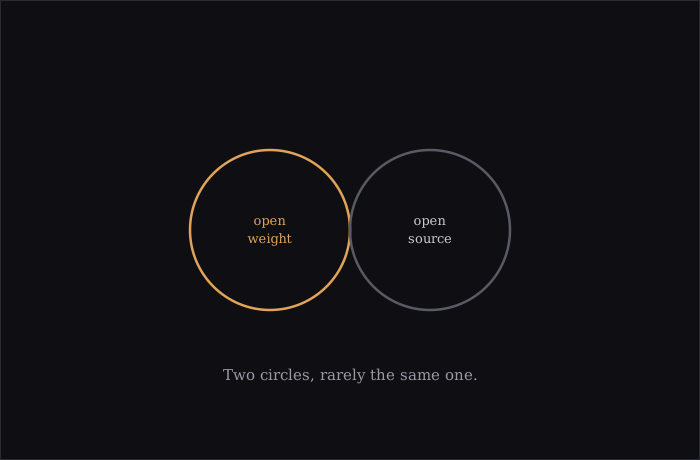
That didn’t fully land. People pointed out how broad the license’s “Commercial Use” definition actually is — it appears to cover paid products and commercial APIs, and possibly fine-tuned derivatives, not just the base weights sold directly. One blunt comment from the thread: “Since when does open-source mean needing written permission from a company for commercial use and plastering their logo everywhere? This is not open-source.” Another framed it more precisely against the Free Software Foundation’s own four freedoms — run, study, modify, and redistribute, including commercially — and argued this license violates at least two of them out of the gate: “Call it what it is: proprietary code with viewable weights.”
This isn’t the first time this exact pattern has played out. Google’s Gemma models drew similar criticism for restrictive terms dressed up in open-sounding language, and it’s becoming enough of a trend that some in the thread are calling it a “hybrid open-weight, commercial-license” model — weights you can download and inspect, but not a license you can build a product on without a phone call first.
I get why “modified MIT” sounds better in a headline than “non-commercial, contact us for a license.” But the two are pretty different promises, and burying that distinction behind familiar-sounding open source language is exactly the kind of thing that erodes trust in the label. If a model needs permission before you can ship it in a product, the honest name for that is a proprietary license with a generous free tier — not MIT with an asterisk.