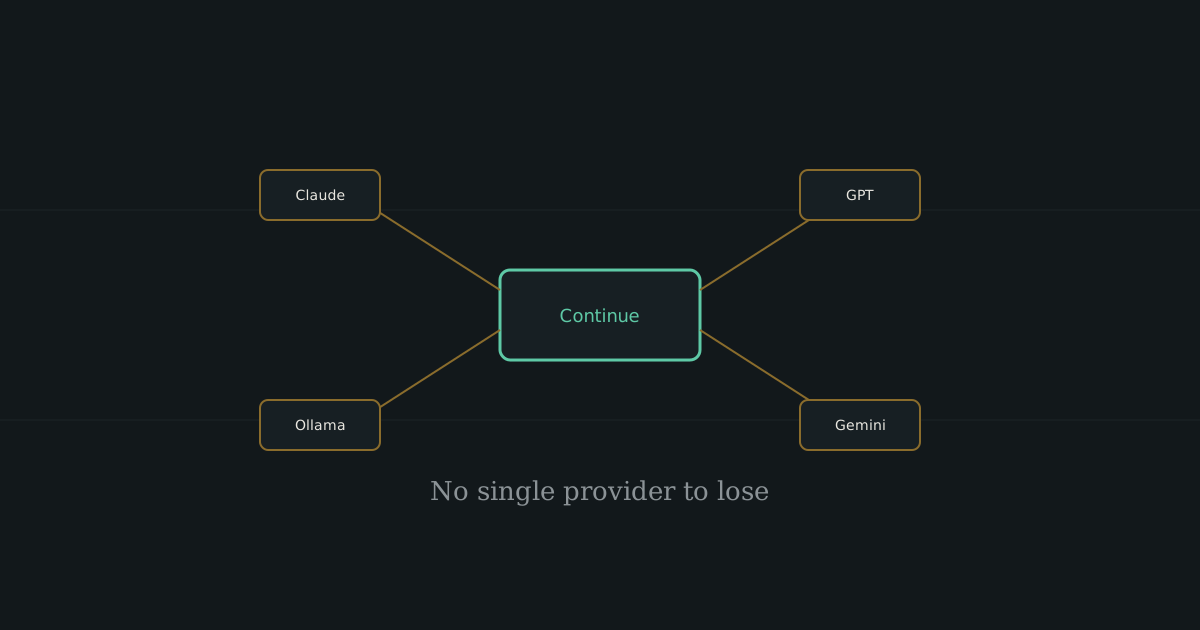
Void’s pitch was genuinely appealing: a VS Code fork, built by a small YC-backed team, that gave you Cursor-style inline editing, agent mode, and autocomplete, but sent your prompts directly to whichever model provider you picked instead of routing everything through a company’s private backend. That “no middleman” design was the whole point — MIT licensed, zero retention by default, nothing sitting between your code and the model you chose. For a while it was shipping real updates too: checkpoints you could roll back to, SSH and WSL support, auto-updates, the kind of unglamorous plumbing that makes a daily-driver editor actually usable.
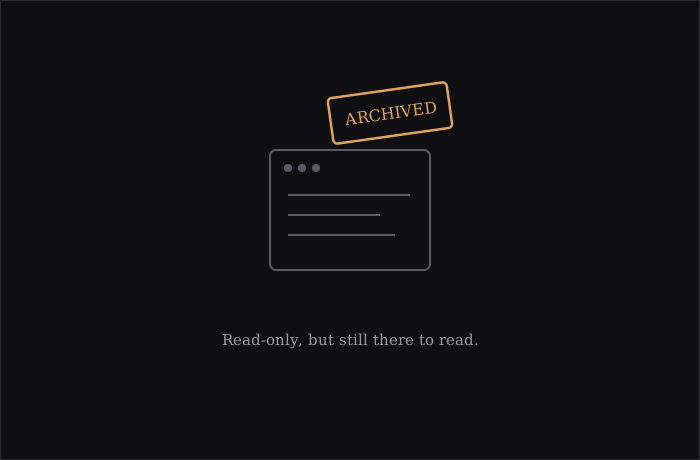
The last meaningful commit to the source landed August 4, 2025. For months after that, the GitHub issues filled up with the same question asked different ways — “is this project still active or dead now?” — without a clear answer either way. That ambiguity ended on June 2, 2026, when the repo itself went fully read-only, formally archived by the owner.
The message left behind is blunt but not bitter: “Void is deprecated and no longer accepting contributions.” It’s not framed as a failure, exactly — the note points out Void “remains open source and is still one of the best references to use when forking VS Code,” and points people toward the community forks that have since sprung up if they want to keep the actual project alive rather than just read its code.
The repo sits at 28.9k stars, which is a genuinely solid number for a project built by essentially a couple of people rather than a funded team of dozens. It’s also a reminder of how thin the margin can be between “promising open alternative” and “quietly stalled” in this space — the gap between Void’s last commit and its formal archive was the better part of a year, and nothing outwardly changed on the surface until the repo itself flipped to read-only.
If you were specifically drawn to Void’s architecture — direct provider connection, no middleman, full source visibility — the closest thing still actively shipping is Cline, which does the same job as a VS Code extension rather than a full editor fork. It’s a different shape (extension vs. replacing the editor), but the “nothing sits between you and the model” part is intact, and unlike Void it’s still getting weekly releases.