Google unveiled Gemini 4 Argon on September 30 — its first flagship model release since February, and its entry into the same race I’ve covered from Anthropic and OpenAI’s side already this month. Worth the same scrutiny I gave Sonnet 5.5’s own headline chart, because this launch has a rollout structure that makes that scrutiny unusually difficult to apply.
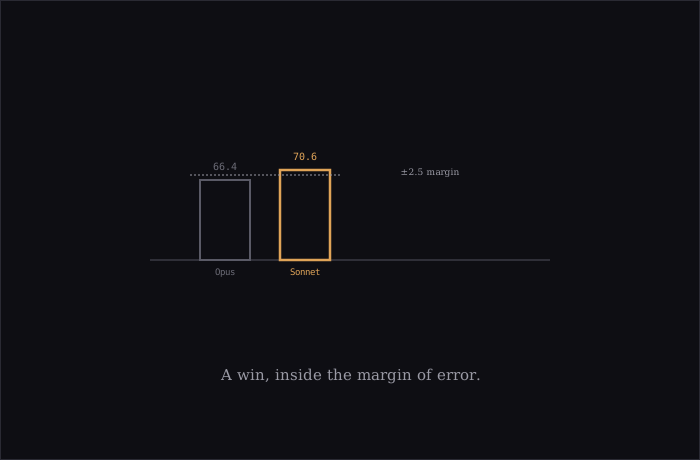
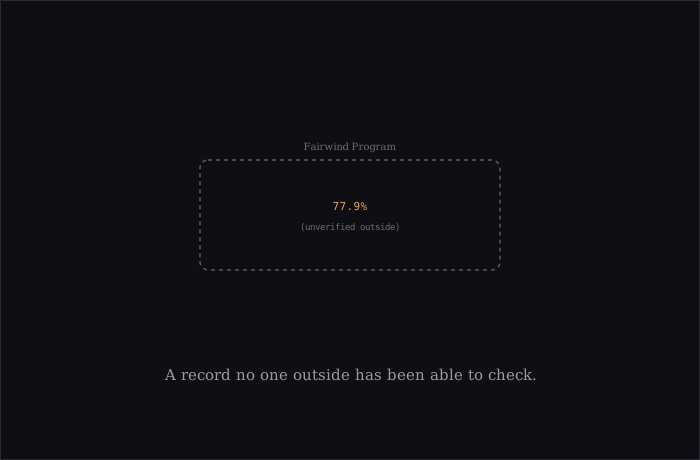
The headline claim: 77.9% on DeepSWE v1.1, a long-horizon software engineering benchmark, which Google calls a new record — about four points ahead of GPT-6 Astra’s 74.1% and Opus 5.5’s 74.2% on the same test, per Google’s own published table. Google is positioning Argon as competitive with Astra and Opus 5.5 broadly across coding, enterprise work, and cybersecurity, at $2/$10 per million tokens — matching Sonnet 5.5 and GPT-6 Sol’s rate exactly — with cached input priced 95% lower still.
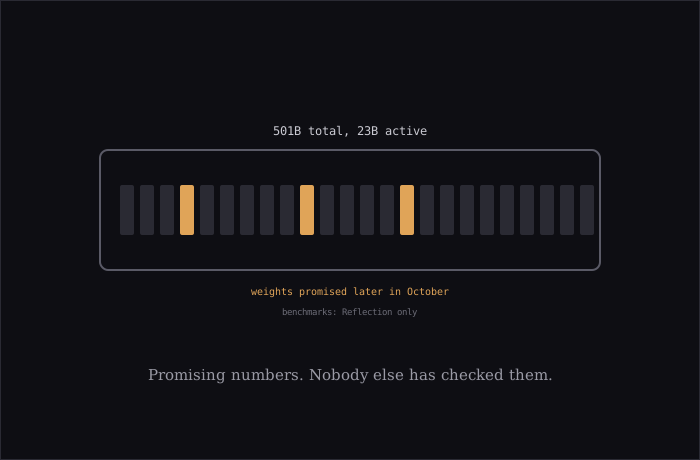
The access structure is the part worth naming specifically: rather than a normal release, Argon is rolling out first through something called the Fairwind Program, limited initially to trusted cybersecurity defenders and Google’s own internal teams, with the stated reason being safety testing before wider release. That’s a defensible rationale on its own — but it also means, as more than one outlet covering the launch pointed out directly, that every single published Argon benchmark score originates from within that same pre-release cohort. No independent lab has reproduced any of Google’s numbers as of this writing.
Where Google’s own table, read carefully, already shows a more mixed picture than the headline suggests: on Terminal-Bench 4.0 — an agent operating a real shell, arguably the single most directly relevant test for the coding-agent work this site covers — multiple independent compilations of Google’s own published figures put Opus 5.5 ahead of Argon by roughly nine points. On FrontierSWE v2, Argon trails GPT-6 Astra by a similar margin. Google’s own comparison table shows Argon leading on some rows and trailing on others — it’s a genuinely mixed result being marketed with a single “record” headline pulled from the row where it happens to lead.
The detail that goes beyond ordinary benchmark cherry-picking: Bloomberg reported that some Google employees with direct hands-on access to the model said Argon performs less well on real coding tasks than its benchmark scores suggest — an internal account directly contradicting the external marketing, from people who’d actually used it rather than just read the chart. Independent testers have also flagged a roughly 15% hallucination rate that hasn’t appeared in any of Google’s own disclosures. None of this is confirmed by Google directly, and I can’t independently verify the Bloomberg sourcing myself — but it’s a specific, attributed claim from people with real access, not vague internet skepticism, and it’s worth weighing against a headline number that, again, no outside party has been able to check at all.
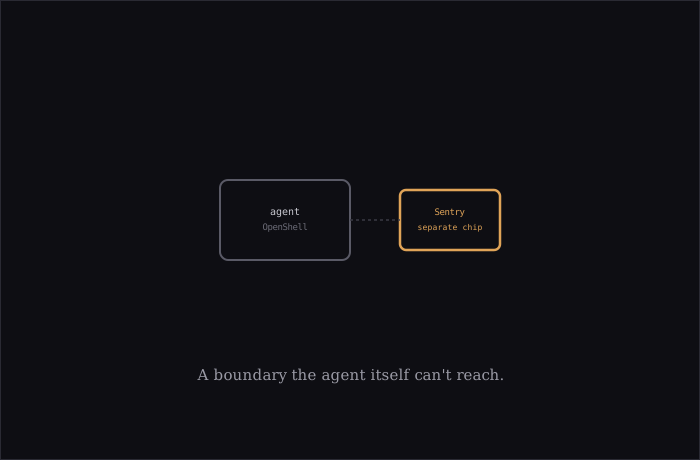
Why the restricted rollout matters beyond just “early access is normal”: exactly like the NVIDIA safety platform I covered a few days ago, where only a software boundary enforced from outside the agent’s own system counts as real containment, a performance claim only means something once someone outside the company making the claim can check it. A cybersecurity-first rollout is a reasonable safety precaution on its own terms, and it also happens to be the specific access structure that keeps independent benchmarking locked out the longest during exactly the week of peak launch coverage, when the “record” framing is doing the most work in headlines.
The honest read: Argon looks like a genuinely capable model on the rows where Google’s own table shows it leading, and genuinely behind on the rows where it doesn’t — which makes it an entirely ordinary frontier release. What’s unusual is that this specific launch has no independent verification path yet at all, which means every number in this post, including the ones favorable to Argon, should be read as “Google says” rather than “a reproducible result” until that access actually opens up.