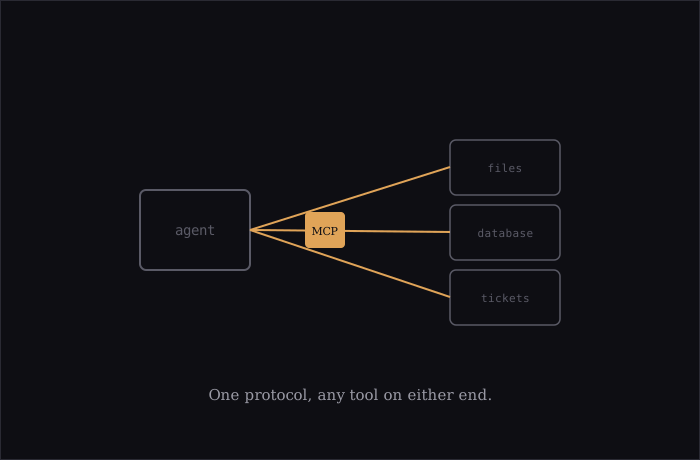
Alibaba’s Qwen team shipped Qwen-MM-Plugins, an open-source pack that makes any agent harness “multimodal-native” — letting the main model read images, video, and documents directly instead of routing them through a separate API call or some ad-hoc shell command. Each capability installs independently as a Skill plus an optional MCP server, so an agent only loads what it actually needs, and the core capability needs no API key at all in its native mode since it reads media locally. This is the same MCP pattern I wrote about separately — it’s a big part of why a single plugin pack can plug into seven unrelated agents without writing seven separate integrations.
The capability list goes further than I expected for what’s framed as a vision plugin. Beyond the core image, video, and document reading — with OCR, object grounding, and page or frame export — there’s a Blender integration that drives a running instance through 22 modeling, materials, lighting, and rendering tools, and a matching FreeCAD plugin with 14 tools for parametric modeling and STEP/STL import and export. There’s a long-video memory capability, an educational-video generator that turns a math or science problem into a step-by-step explainer, and a NIfTI medical-imaging viewer that’s explicitly documented as read-only and not intended for clinical diagnosis — a small detail that suggests someone actually thought about misuse before shipping it.
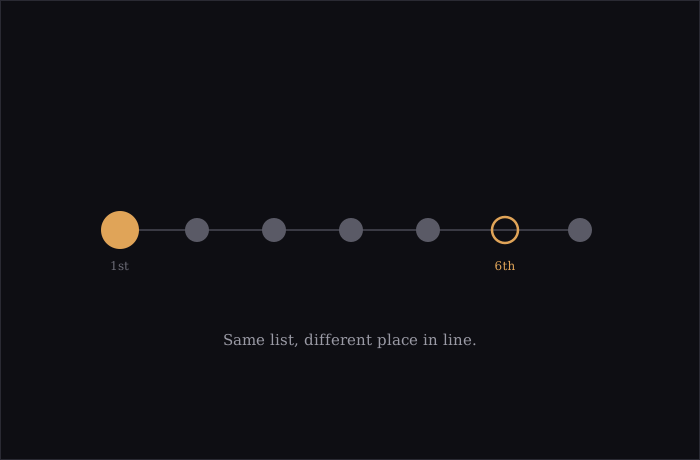
The part that stood out to me most, though, is the order things are listed in the guided installer’s own documentation: Claude Code, CodeBuddy, Codex, Qoder, OpenClaw, Qwen Code, and Gemini CLI, in that order. Claude Code first. Alibaba’s own terminal agent is sixth out of seven. Harnesses without a compatible marketplace — DeepSeek Harness, Hermes Agent, OpenCode, Pi, and QwenPaw — get a separate manual setup guide rather than the streamlined installer, which puts Qwen’s own CLI in the same “second-tier” documentation bucket as most of its actual competitors.
I don’t know exactly what to make of that. Maybe it’s just where the most users already are, so that’s where you write the install docs first — pragmatic, not symbolic. It’s also worth remembering this ships from the same company that cut Qwen Code’s own free tier a few months earlier — not necessarily connected, but it’s another data point in the same general direction of Qwen’s own products not always getting first-party priority inside Qwen’s own ecosystem decisions.
But it’s a strange thing to watch a lab build a genuinely thoughtful capability pack, complete with domain-specific tooling most competitors haven’t bothered shipping, and then hand the best-documented front door to a competitor’s product before its own.