Roo Code started as a fork of Cline — same core idea, but with a multi-mode configuration system that let you assign different models to different stages of a task (one model for planning, a cheaper one for execution, that kind of split). It built a real following as an alternative for people who wanted that extra control: 24,102 GitHub stars, 3,278 forks, and by the team’s own count, 3 million cumulative installs across every platform it shipped on.
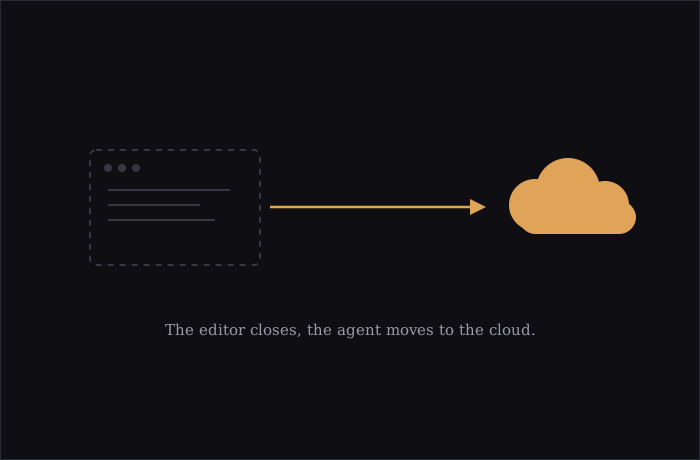
On April 21, 2026, co-founder and CEO Matt Rubens announced the whole thing would wind down on May 15. Not a slow sunset — the VS Code extension, the cloud service, and the router all stopped shipping updates on that date, with any unused paid balances refunded. His framing, in his own words: “Not because Roo Code failed, but because the world it served would cease to exist.” The stated reasoning was specific — Rubens said his own team had already stopped using Roo Code inside the editor internally, running agents in remote cloud environments instead, where they could work on multiple tasks in parallel without someone watching each step. That observation became the whole company: Roomote, a cloud-based agent that receives a prompt from Slack, GitHub, or Linear and returns a finished pull request, without an IDE in the loop at all.
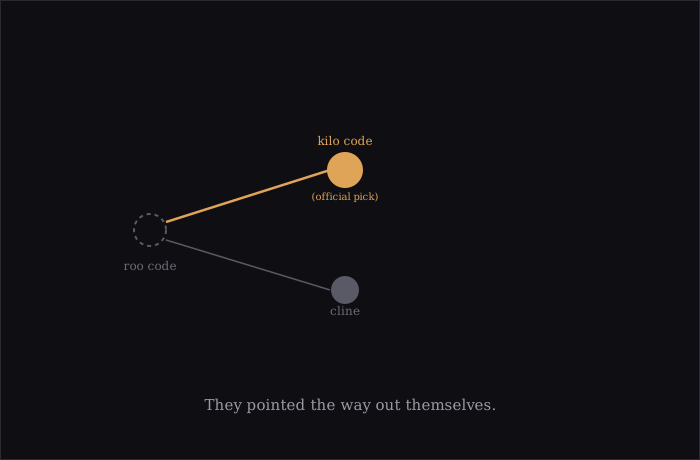
The repo itself didn’t disappear — it’s still public, still Apache 2.0, and the extension keeps working for anyone who already has it installed. There just won’t be any more bug fixes, new features, or model updates. The README banner left behind is specific about where to go instead: it names ZooCode, a fork started by the Roo Code community itself, and Cline, the project Roo Code originally forked from — not Roo’s own Roomote as the default recommendation for people who want to keep working the way they always had.
Community reaction split about where you’d expect: real frustration at how abruptly a tool with an active user base got cut off, alongside genuine appreciation that the team gave a straight answer instead of a vague “sunset” announcement, and pointed people somewhere specific rather than leaving them to search forums. Two of Roo Code’s most active contributors, notably, were bots — early Roomote instances the team had been running against their own codebase before the product existed.
What gets me about this one isn’t the shutdown itself, plenty of tools wind down. It’s the reasoning: a team that built a genuinely good in-editor agent decided the editor was the wrong place to keep betting, at almost the exact moment competitors were doubling down on exactly that. I went deeper on what people actually migrated to, including the community fork their own docs point to alongside Cline, here.