I keep writing the word “fork” without stopping to explain it, and looking back at my own posts, it’s genuinely one of the most common events I cover. So: what is a fork, mechanically, and why does this specific corner of open source seem to produce so many of them.
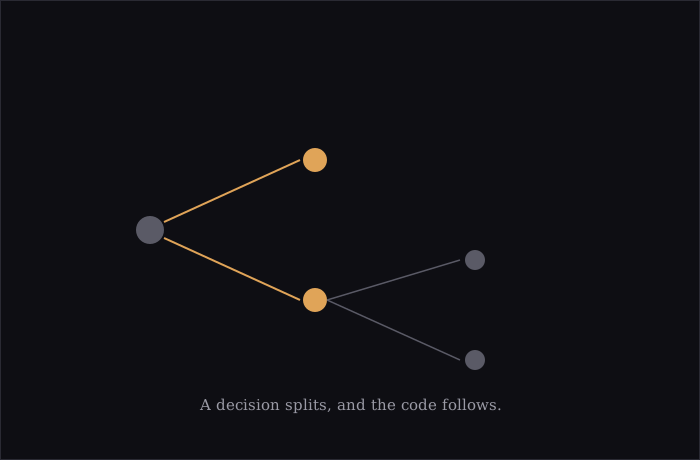
Mechanically, a fork is just a full copy of a project’s code and history that then develops independently. Anyone can do it to any open-source repo — that’s the whole point of the license. Most forks are small and quiet: a personal tweak, a patch that never gets merged upstream, abandoned within a week. The forks worth writing about are the ones that happen because a meaningful chunk of a project’s users disagree with a decision the maintainers made, and enough of them care to actually go build the alternative rather than just complain about it.
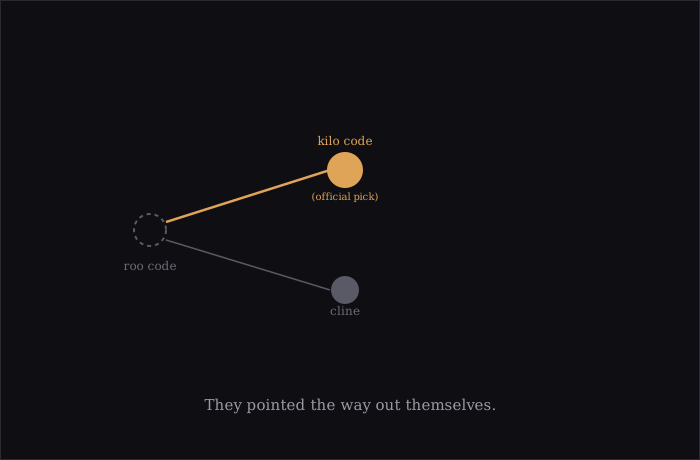
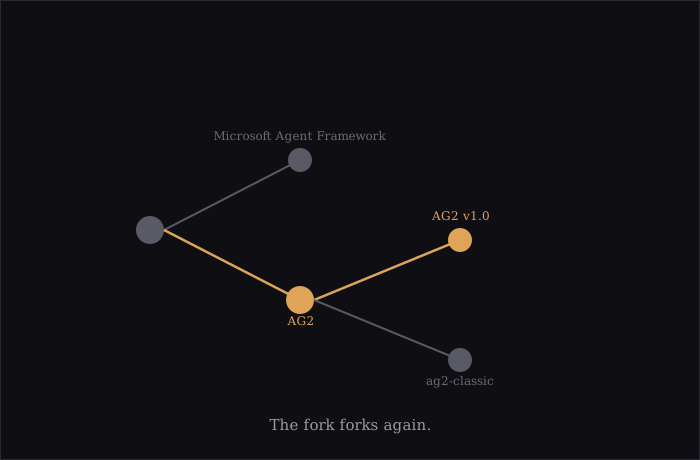
This site has covered an unusual number of those in a short window. When Roo Code shut down its VS Code extension, its own README pointed people to ZooCode, a fork started by the Roo Code community specifically to keep the extension alive after the core team stepped away — I went deeper on that one here. When Microsoft put AutoGen into maintenance mode, its original creators forked it into AG2 to keep the classic API actively developed — and then, in a genuinely strange twist, AG2 itself later split its own classic API into a separate repo when it moved on to a new architecture, becoming the kind of maintenance-mode fork target it was created to rescue people from. When Warp opened its terminal client’s source, a fork called OpenWarp appeared within days specifically to remove restrictions on which model backends the client could point to.
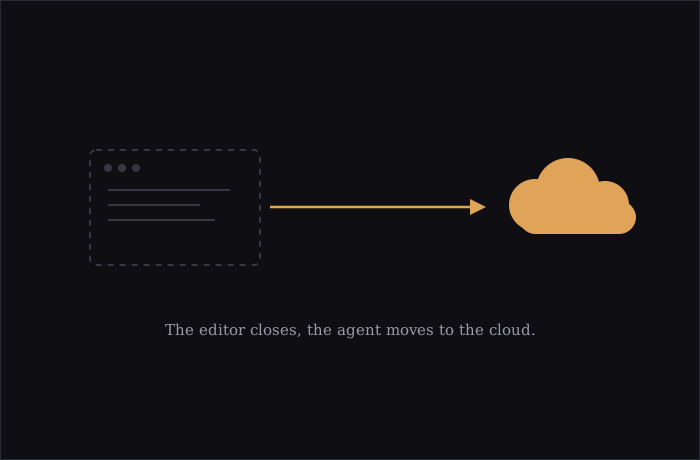
Why this space specifically produces so many: most of these tools sit on top of fast-moving, commercially valuable infrastructure — model access, IDE integration, agent orchestration — where a company’s business incentives and its users’ preferences drift apart fast. A maintenance-mode announcement, a paywall added after the fact, a pivot toward a cloud product instead of the local tool people actually adopted it for — any of these creates a moment where “fork it and keep going” is a genuinely live option, not just a theoretical right nobody exercises. Open source licenses exist specifically to make that possible, and this niche changes direction often enough that the option gets used constantly.
The practical lesson, if you’re choosing a tool to build a workflow around: a fork existing and being active is a real signal. It usually means a decision upstream mattered enough that people who understood the codebase were willing to take on maintaining it themselves rather than just switching to something unrelated. That’s a different, more specific kind of validation than star count alone gives you — anyone can star a repo, but forking one and shipping releases from it is a much higher bar.