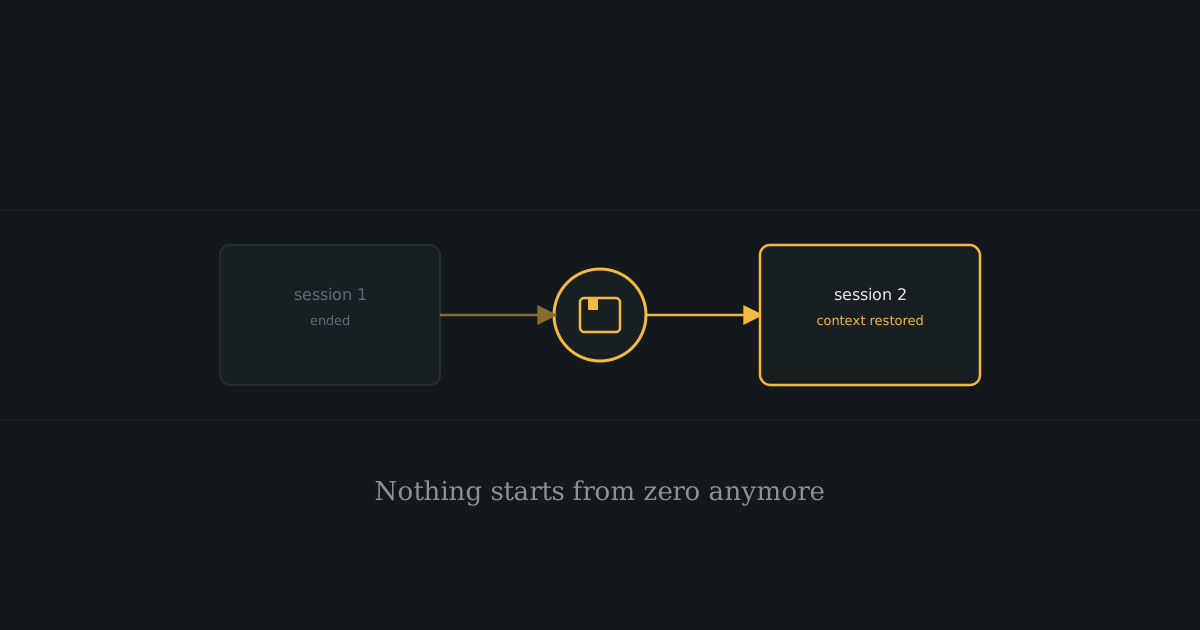
Every session I’ve had with a coding agent starts the same way: re-explaining the project, re-describing a weird auth flow, re-justifying why I picked one library over another. Then the session ends and the next one starts from zero again. Apparently this has a name — people call it “agent amnesia” — and apparently a lot of people got tired of it at the same time.
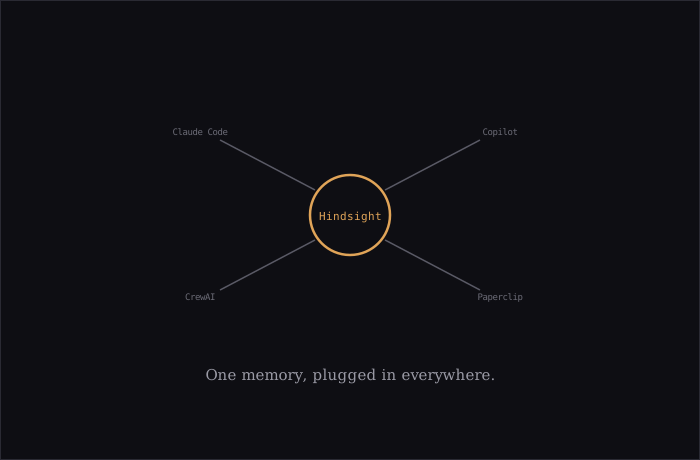
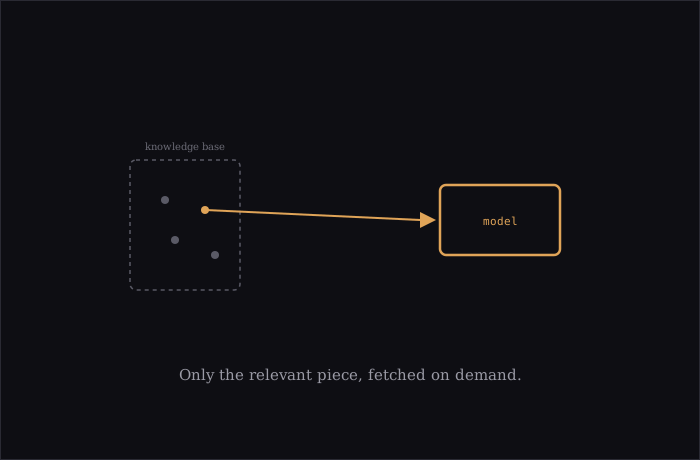
claude-mem is a plugin that sits on top of whatever coding agent you’re already using — Claude Code, OpenCode, Codex, Gemini CLI, OpenClaw, GitHub Copilot — and does three things: captures what happened during a session, compresses those observations with AI, and injects the relevant parts back in next time. Not a replacement for your agent, just a memory layer bolted onto it, closer to how a human teammate remembers context from yesterday’s stand-up than to the agent actually “learning” anything permanent about your codebase.
A few specifics worth knowing if you’re actually going to try it:
- It’s local by default — data stays on your machine unless you deliberately configure the optional cloud sync (v13.12.0, released July 22, added this, and it’s off until you supply your own credentials)
- Storage is genuinely light — rough estimate from the project is 50-200KB per week of active use, backed by SQLite with full-text search, so it’s not quietly eating disk space the way a full conversation log would
npx claude-mem installsets up the actual lifecycle hooks;npm install -g claude-memalone only pulls the SDK, which apparently trips people up
I haven’t run this myself long enough to vouch for how well the compression holds up over months of use — that’s the part I’d actually want to test before trusting it on something important. Compression is inherently lossy, and the real question for any tool like this is whether what gets thrown away is genuinely unimportant or just the thing you needed three weeks later. The adoption numbers (tens of thousands of stars, hundreds of releases) suggest a lot of people decided the risk was worth it regardless.
What’s interesting to me isn’t really claude-mem specifically — it’s that “session amnesia” turned into enough of a shared complaint that at least three or four separate memory-layer projects showed up solving basically the same problem around the same time, independently, without any coordination between them. That’s usually a sign a gap was real, not imagined. It’s a similar shape to what I noticed with MCP’s registry hitting 10,000 servers — once enough people are running the same category of tool, the missing piece around it tends to get built by several people at once rather than just one.
npx claude-mem install