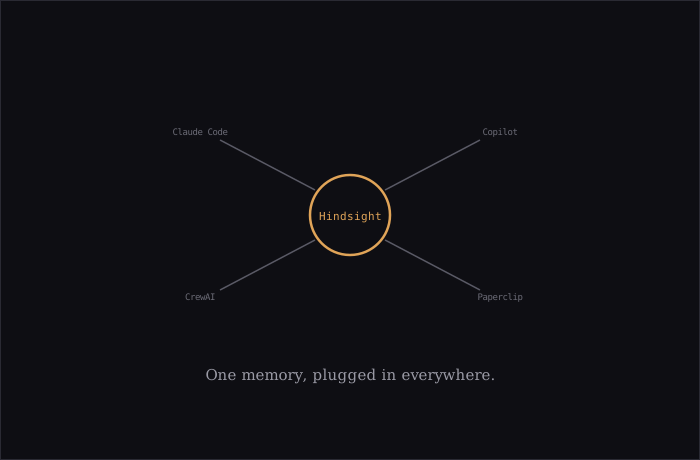
A “long-term memory for agent coding CLIs, facilitating handoff between vendors” tool trending this week made me realize I’d never actually named this specific gap directly, despite writing about claude-mem and memory versus RAG separately already.
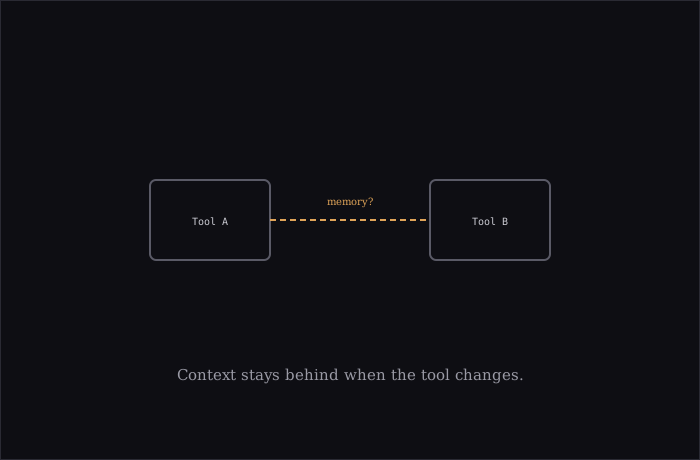
The gap is simple to state: everything a memory tool has learned about your project across weeks of sessions — decisions you made, context about why the codebase looks the way it does, patterns specific to how you work — is typically stored in a format tied to one specific agent. Switch from Claude Code to Codex, or from Cursor to OpenCode, and none of that accumulated context comes with you. You’re not just learning a new tool’s interface; you’re starting the memory layer over from zero, on top of whatever unrelated friction switching tools already involves.
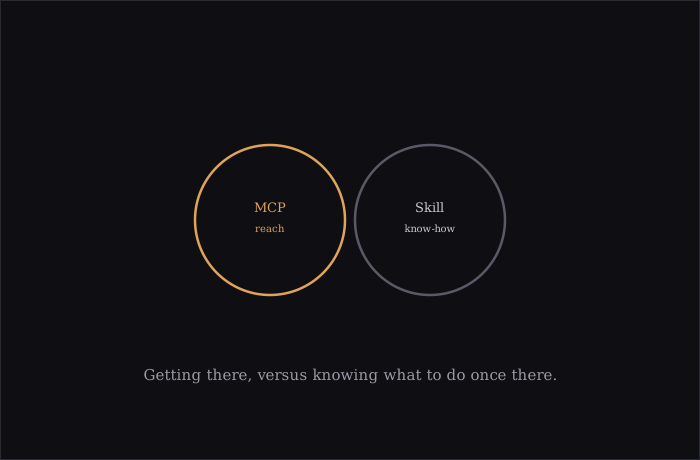
Why this happens, rather than being a deliberate choice by any one vendor: memory tools generally store history shaped by the specific agent generating it — the format of a Claude Code session log isn’t the same shape as a Codex one, and there’s been no shared standard for what a portable “session memory” file should even contain. It’s less a wall anyone built on purpose and more a gap nobody filled yet, similar to how Agent Skills and MCP didn’t have standard formats until specific projects and Anthropic’s own open-sourcing pushed toward one.
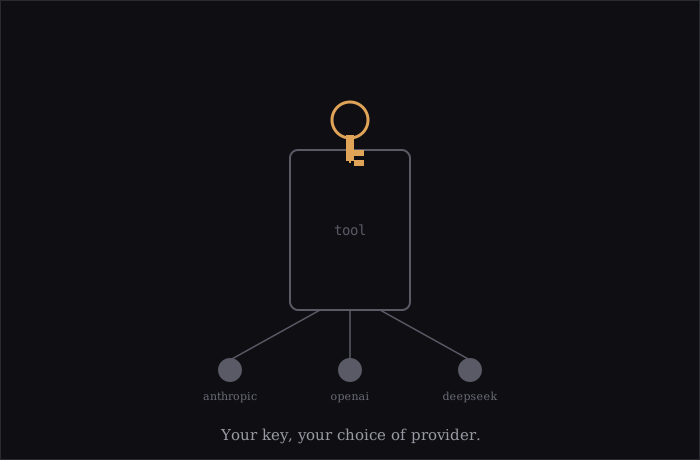
Why this is the same underlying shape as the BYOK story, just one layer up: BYOK exists specifically so switching model providers doesn’t strand you — the tool doesn’t care which model sits underneath, so nothing is lost by pointing it elsewhere. Memory portability is the identical problem applied to accumulated context instead of model access: right now, switching agents means losing your context the same way a subscription-locked tool would strand you if the provider changed terms. The tools solving each problem are different, but the shape of what’s being protected against is the same — a single point of lock-in that isn’t inherent to the actual work, just to how today’s tools happen to store state.
What a real fix would need to look like: a shared, agent-agnostic format for what a session actually accumulated — not the literal transcript, which is agent-specific by nature, but the durable takeaways: decisions made, patterns established, context worth carrying forward — portable the same way a spec is portable because it’s plain text describing intent rather than a tool-specific internal state. Whether that shared format actually emerges, or each tool keeps building its own closed memory layer and hoping switching costs keep you around, is genuinely an open question — but it’s worth watching for the same reason MCP and Agent Skills becoming shared standards mattered: portability of anything valuable an agent accumulates is what keeps you free to pick tools on their merits instead of on how much you’d lose by leaving.