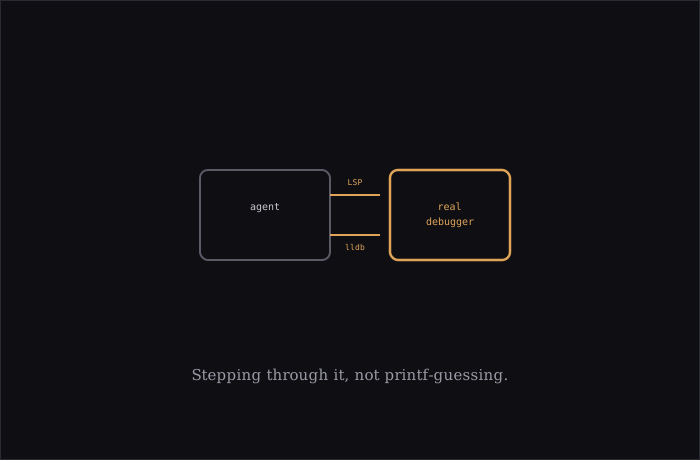
ECC (Everything Claude Code) bills itself as an “agent harness performance optimization system” — skills, memory, security rules, and workflow conventions that install into Claude Code, Codex, Cursor, and a growing list of other coding agents, so you’re not rebuilding the same setup for each one.
v2.1.0, released July 27, 2026, is centered on a genuinely nice piece of UX I hadn’t seen elsewhere: Plan Canvas.
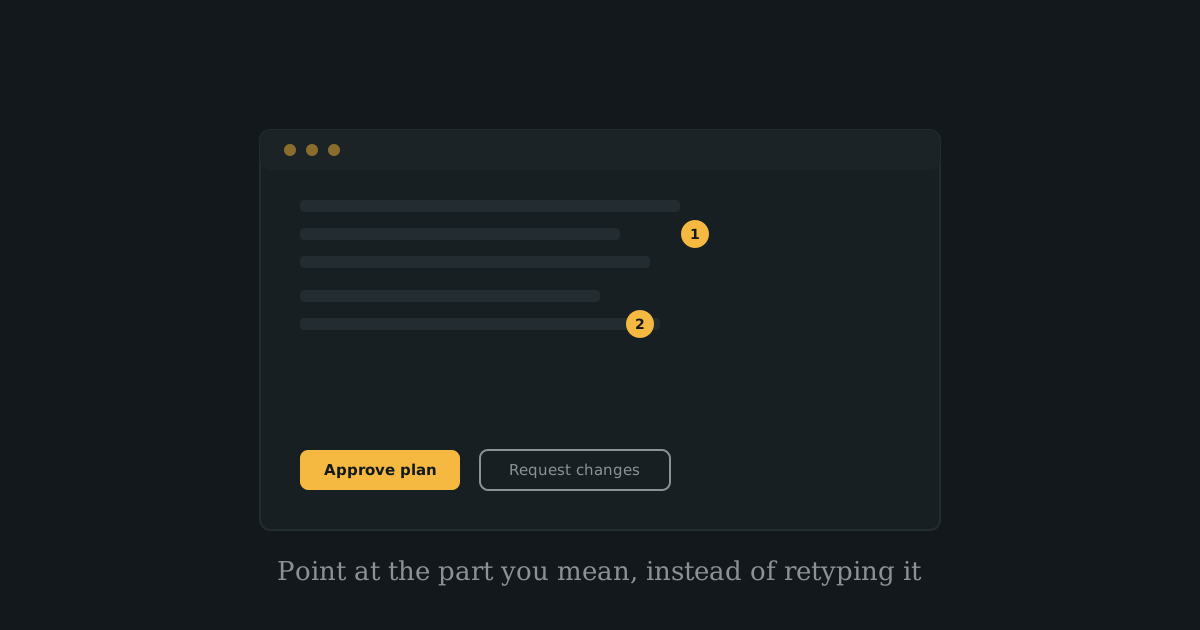
Here’s the problem it’s solving. ECC’s /plan command ends with a confirmation gate before the agent acts — good practice — but reviewing that plan meant reading a wall of markdown in the terminal and typing out feedback like “the third bullet, change X.” Plan Canvas turns that into a loopback-only browser view instead: click an element or select text to attach a numbered annotation, chat with the agent from a side panel while it keeps working in the terminal, and hit Approve plan or Request changes — which map directly onto the same CONFIRM gate /plan always had. Mermaid diagrams, tables, and task lists render properly instead of as raw text, and file edits live-reload the page. It’s implemented as a plain CLI plus a JSON protocol, so it’s not tied to Claude specifically.
The release also opens the door to self-hosted models:
- Kimi Code install target —
--target kimiinstalls ECC’s skills and instructions directly into Moonshot AI’s Kimi Code - Self-host on Itô GPUs — an opt-in bridge that submits a live RFQ for GPU capacity through Itô, a compute sponsor. It’s guarded end to end: it doesn’t reserve capacity or provision anything on its own, and credential-bearing CLI shims are explicitly rejected.
Smaller changes worth noting: Hermes and OpenClaw joined the list of install targets, GateGuard (the safety layer that gates destructive commands) gained configurable path exemptions and adjustable instinct-injection thresholds, and the pre-commit secret scanner now specifically catches leaked Anthropic API keys. The project’s own numbers: the catalog is up to 67 agents, 281 skills, and 94 command shims, from 64/261/84 in the previous major release.
Why it matters
Terminal-only plan review has a real cost: it’s easy to skim past something you’d have caught if you could see it laid out. Making the review surface visual — without giving up the terminal as the place where the agent actually works — is a small design choice that could meaningfully change how carefully people actually check what an agent is about to do before approving it.
Try it
/plugin marketplace add https://github.com/affaan-m/ECC
/plugin install ecc@ecc
Full release notes are on the GitHub releases page.