95,000 stars in 48 hours. That’s the number that made me stop scrolling and actually go read what this thing was.
DeepSeek released an agent harness called DeepSeek Harness (dsh) on August 13. Not a model — the scaffolding around one. Growth from there: past 135k in four days, past 165k in a week, north of 210k by early September. Somewhere in there it briefly passed OpenCode (the post right before this one) for most-starred open-source coding agent on GitHub, which is a genuinely unusual pace even by this space’s standards.
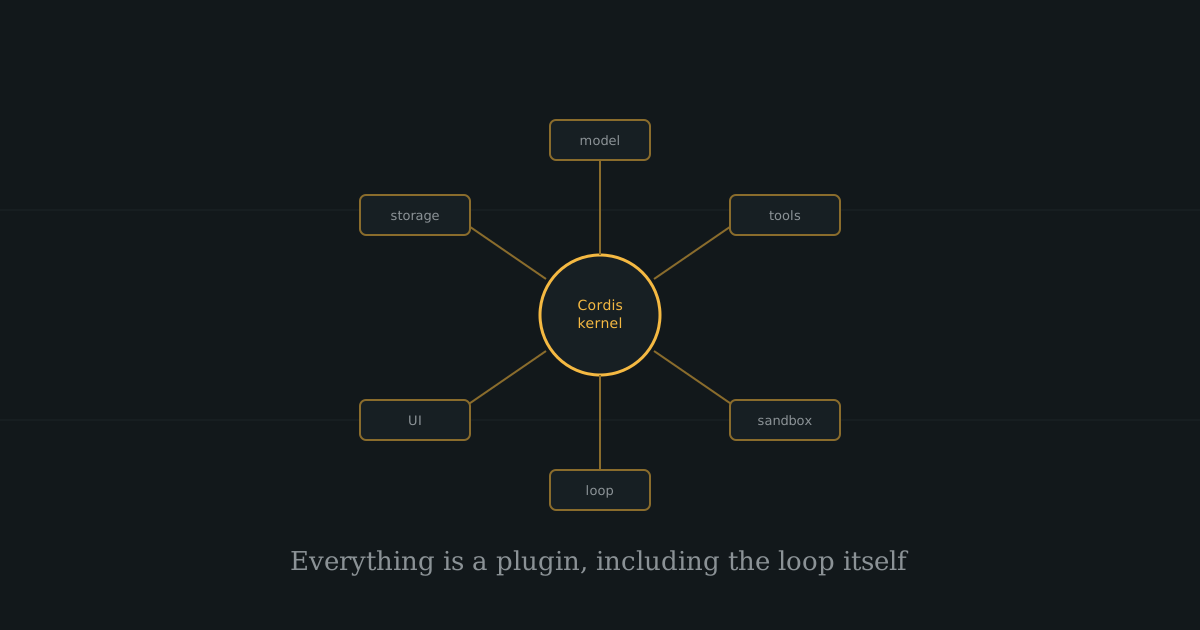
So what’s actually in it? The idea is pushed further than anything else I’ve looked at: everything is a plugin. Not just the tools an agent calls — the model adapter, the tool registry, the session log, the sandbox, storage, scheduling, the UI, and the loop that ties it all together, all swappable, managed through something they call the Cordis kernel. Most frameworks put the model at the center and bolt tools around it. This flips that around entirely — the model is just another component you could theoretically swap out without touching anything else, which is a meaningfully different architecture bet than “pick your favorite model and build tooling around it.”
Three things I’d flag before treating the star count as a verdict on quality, though:
- It’s an explicit developer preview — breaking changes are promised, not hypothetical, so this isn’t the pick if you want something stable to build a workflow around today
- It’s web-UI-first, not terminal-first like most of what’s covered here, which is a different default audience than OpenCode or Aider are chasing
- MIT licensed, source open from day one, so at least you can go check the plugin-everything claims yourself rather than taking the pitch at face value
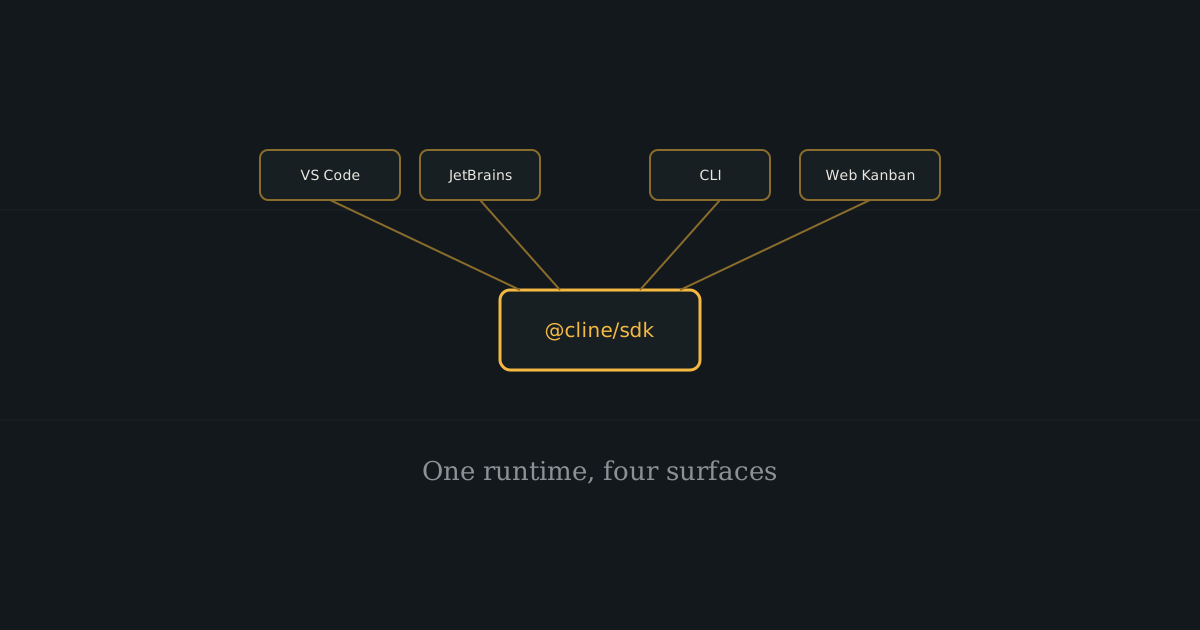
What I keep coming back to isn’t really the star count, it’s why DeepSeek bothered building a whole harness instead of just wrapping their model in an existing one. Same instinct I noticed in the Cline post — pulling the runtime out into something reusable — and in OpenCode staying deliberately provider-neutral. The harness, not the model underneath it, seems to be where companies are actually trying to differentiate right now, which says something about how commoditized the underlying models themselves have become.
Whether “everything is a plugin” holds up once people are running real work on it instead of just trying it for a weekend — genuinely don’t know yet. I’d read the current number as “a lot of people are curious,” not as “this is settled.”
curl -fsSL https://deepseek.com/harness/install.sh | bash