I wrote about why BYOK tools can’t get shut off the way Gemini CLI was, but I glossed over a question worth answering on its own: is paying per token actually cheaper than a flat subscription, or just differently structured?
The subscription case is simple to state: one flat monthly fee, usually with generous or effectively unlimited usage inside fair-use limits, from the company that both builds the tool and runs the model. You know your maximum monthly cost before you start. The tradeoff is exactly the one the Gemini CLI story put on display: that flat fee only exists as long as the company decides to keep offering it on those terms, and you have no lever to pull if they don’t.
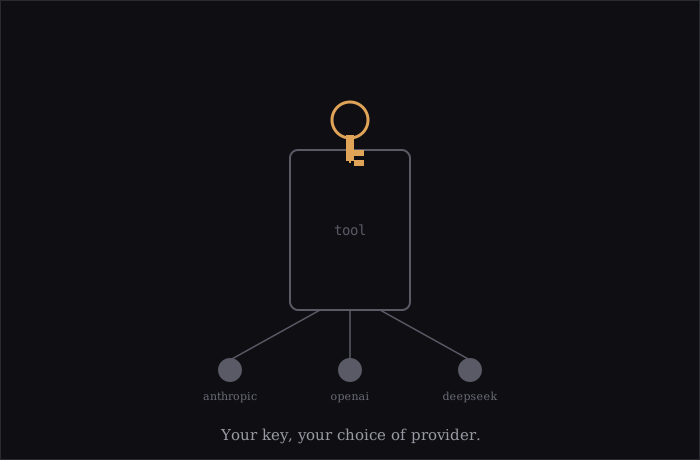
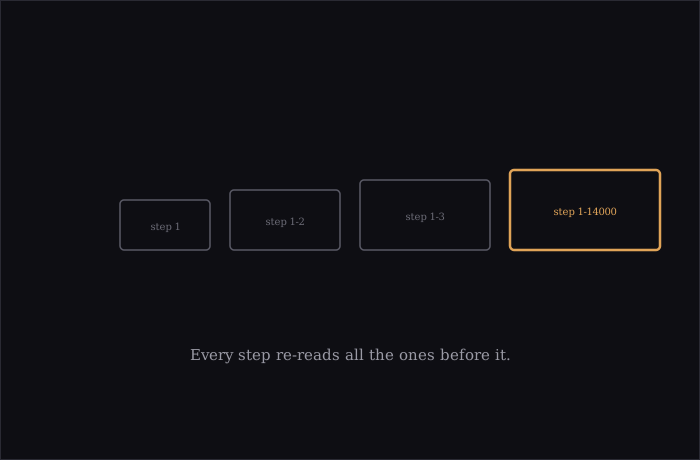
The BYOK case is genuinely variable, and that variability cuts both ways. You’re billed per token by whichever provider you choose, and total cost depends heavily on three things: how many tokens a session actually burns — which, per the context math I covered separately, scales with session length far more than with how many prompts you type — which model tier you pick for the task, and whether the tool you’re using takes advantage of prompt caching for repeated context, which most frontier providers price at a real discount over fresh input tokens.
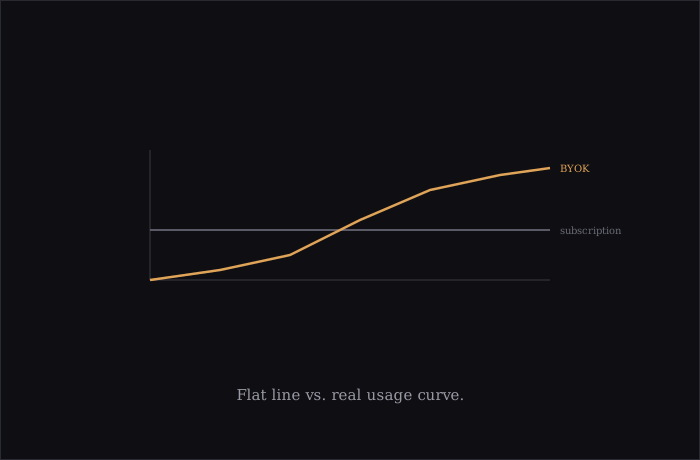
Where BYOK tends to come out ahead: lighter, bursty usage — a few focused sessions a day rather than hours of continuous agentic work — plus the freedom to route cheap, high-volume tasks (simple edits, boilerplate, straightforward lookups) to a cheaper or smaller model, and save an expensive frontier model specifically for the harder problems that actually need it. A flat subscription can’t offer that kind of routing, because you’re not seeing or controlling the per-request cost at all.
Where a subscription tends to come out ahead: heavy, sustained, long-session usage, where the flat fee is worth more than what the equivalent token volume would cost priced out individually — and, less quantifiably, the value of not having to think about cost at all while you work, which is a real (if fuzzy) recurring cost of BYOK that a per-token bill doesn’t show up as its own line item.
The honest framing isn’t “BYOK is cheaper” — for genuinely heavy daily use, it often isn’t. It’s that BYOK moves the decision about how much to spend, and on which model, into your hands on a per-task basis, instead of it being a fixed bet the vendor already made for you. Whether that’s worth the extra attention depends entirely on whether your actual usage pattern is bursty and mixed-difficulty, or heavy and constant — and that’s usually worth checking against a real week of your own logs before assuming either answer.