I keep a running note of things that show up in more than one tool at the same time, because it’s usually a better signal than any single release. This one’s been building for a few weeks: running multiple agents on the same codebase simultaneously went from a niche feature to something nearly every major tool shipped its own version of.
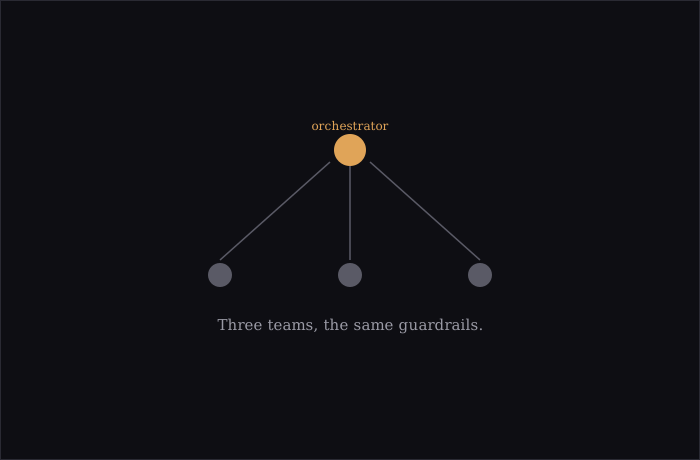
GitHub Copilot CLI’s take is /fleet. You give it one prompt, and a behind-the-scenes orchestrator decomposes the objective into independent work items, figures out which ones can run in parallel versus which have dependencies, and dispatches sub-agents to execute the parallel ones simultaneously — different files, different parts of the codebase, all at once. Each sub-agent gets its own context window but shares the same filesystem. They can’t talk to each other directly, only the orchestrator coordinates, which keeps the whole thing from turning into a free-for-all.
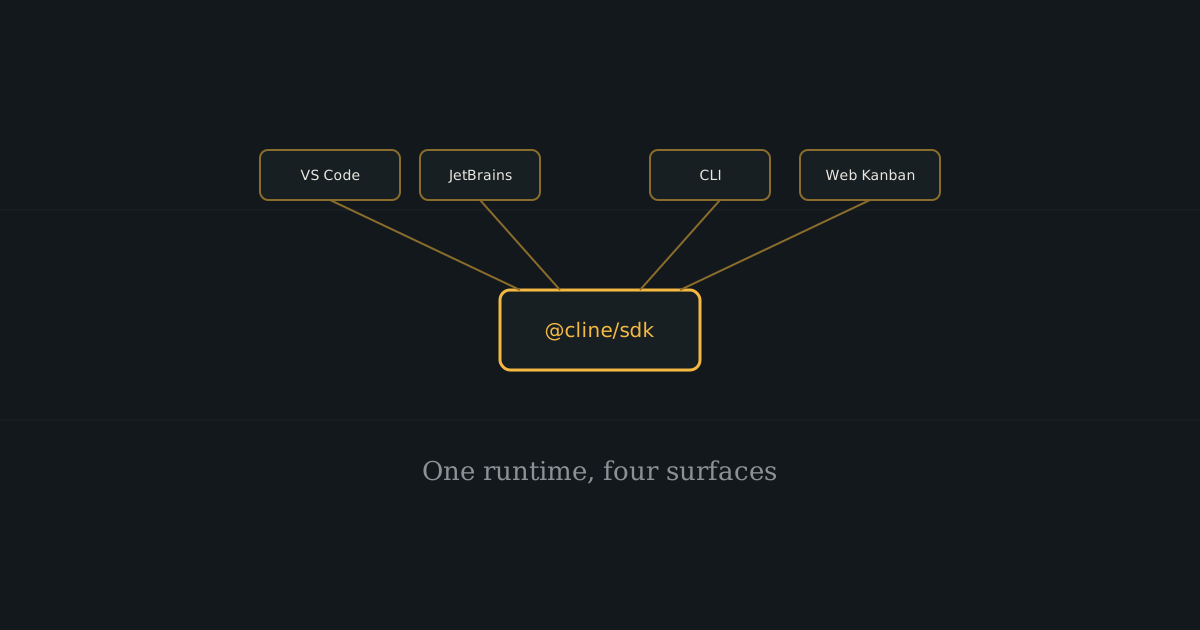
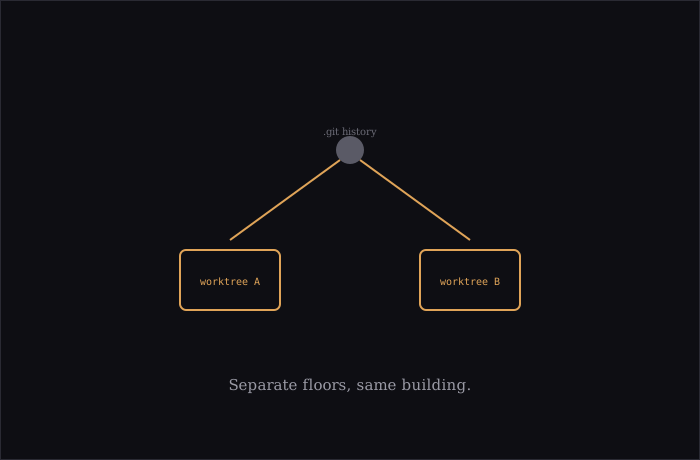
Cline’s version is more visual. The SDK pullout I wrote about earlier included a web-based Kanban board specifically for this — you can run several agents at once, each given its own git worktree so they’re not stepping on each other’s file changes mid-task.
Qwen Code went the furthest, shipping four distinct modes instead of one. /coordinate with Agent Team lets a leader agent delegate real workstreams to teammates that report back with shared task state — if implementation is needed, the leader pins one writer to a single git worktree and stays the only one with merge authority. Subagents handle small delegated tasks the plain way, worker reports to parent. Arena runs several models competing on the identical task in isolated worktrees and picks a winner. Herdr coordinates across entirely different CLI tools and remote terminal sessions rather than agents within one tool.
What’s notable isn’t that parallel execution exists — it’s that three teams with no obvious coordination between them converged on strikingly similar guardrails at the same time: shared filesystem but isolated context per agent, a single point of merge authority so parallel work doesn’t corrupt the same files, and no direct agent-to-agent chatter except through whatever’s coordinating. That’s not a coincidence so much as the obvious answer once enough people hit the same wall — a single agent working through a task list sequentially just doesn’t use all the compute sitting there waiting, and once you let several loose on the same repo, you need exactly these guardrails or you get five agents fighting over the same file.
Worth flagging early, though: none of these are set-and-forget. Verification still happens after the fact in every one of these systems — someone or something has to check that the parallel work actually merged cleanly and didn’t quietly step on itself. More throughput per prompt, not less supervision needed.